The Best OLED TVs of 2026
| Product | Score | Picture & HDR(30%) | Gaming features(20%) | 3-Year Cost |
|---|---|---|---|---|
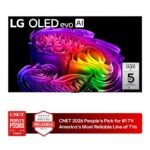 LG G6 OLED (65-inch)Best Overall |
8.6 |
9.5/10 |
9.0/10 |
$2,918.75checked Sep 15, 2026 |
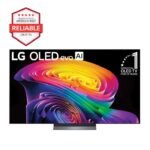 LG C6 OLED (65-inch)Also Great |
8.3 |
9.0/10 |
9.0/10 |
$2,831.78checked Sep 15, 2026 |
 Samsung S90H OLED (65-inch)Also Consider |
7.9 |
8.7/10 |
8.5/10 |
$2,810.44checked Sep 15, 2026 |
 Samsung S95H OLED (65-inch)Also Consider |
7.8 |
9.3/10 |
8.5/10 |
$3,516.56checked Sep 15, 2026 |
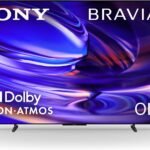 Sony Bravia 6 OLED (65-inch)Best Value |
7.7 |
7.5/10 |
7.5/10 |
$1,698.00checked Sep 15, 2026 |
Sorted by score. Prices come from each seller's site on the date shown and change often.
Brand claim vs independent measurement
| Product | What the brand claims | Independent figure | Source |
|---|---|---|---|
| LG G6 OLED (65-inch)Peak HDR brightness, 10% window | LG markets up to 3.9x the brightness of a regular OLED TV; no cd/m2 figure published | 3,092 cd/m2 in Filmmaker Mode with Game Optimizer enabled, firmware 43.11.81, updated Aug 10, 2026 (RTINGS) | RTINGS |
| LG C6 OLED (65-inch)Real-scene HDR brightness, Hallway Lights test clip | LG does not publish a cd/m2 figure for the C6 | 1,362 cd/m2 with Dynamic Tone Mapping off; 1,379 cd/m2 with DTM on (RTINGS) | RTINGS |
| Samsung S90H OLED (65-inch)Real-scene HDR brightness, Hallway Lights test clip | Samsung says the S90H is 15% brighter than the S90F; no cd/m2 figure published | 850 cd/m2 with HDR Tone Mapping set to Static (RTINGS) | RTINGS |
| LG G6 OLED (65-inch)Annual electricity use, 65-inch model | Not printed on LG's US product page | 233 kWh per year at 127.6 W on-mode power (ENERGY STAR Certified Televisions database) | ENERGY STAR |
We do not run these tests ourselves. Independent figures are quoted from the source named in each row.
The LG G6 is the best OLED TV of 2026 for anyone who wants the brightest screen in this guide and the longest warranty behind it: it posted the highest measured HDR brightness of the five sets we researched, and it is the only one backed by LG’s 5-year limited panel warranty. At 65 inches it lists for $2,799.99. If a flagship is more than you want to spend, the LG C6, also 65 inches, gets you the same 165Hz gaming spec and a sharp real-scene HDR picture for $2,699.99. Buyers who prefer Samsung’s QD-OLED color and Tizen smart platform should look at the 65-inch S90H at $2,699.99 or, for extra brightness and a metal-frame build, the 65-inch S95H at $3,399.99. Anyone who wants an honest OLED picture at the lowest entry price should start with the 65-inch Sony Bravia 6 at $1,698.00.
Every pick here is a real 2026 model sold in the US as of September 16, 2026, chosen from published manufacturer specs, the EPA’s ENERGY STAR certification database and named independent lab measurements, not from a showroom walk-through. See how we score for the full method.
How we picked
We scored every OLED TV on five criteria, weighted the way a real buyer should weigh them: Picture & HDR (30%), Gaming features (20%), Smart platform (15%), Burn-in warranty (15%) and 3-year cost (20%). Nobody on this team plugged these TVs in and compared them side by side in a showroom. The picks come from LG, Samsung and Sony’s own US product pages and press materials, the EPA’s ENERGY STAR Certified Televisions database, the CPSC’s SaferProducts.gov recall database, and brightness and input lag figures measured and published by RTINGS.com. Full method: how we score.
We read LG’s pricing announcement for its 2026 flagship line and the individual OLED65C6AUA and OLED65G6WUA product pages, Samsung’s QN65S90HAEXZA and QN65S95HAFXZA product pages, and the Sony BRAVIA 6 K-65A60 listing on Amazon, all on September 16, 2026. We queried the ENERGY STAR Certified Televisions dataset for each screen size’s on-mode wattage and annual kWh, and we queried CPSC’s SaferProducts.gov for open recalls on televisions; none of the five 2026 models here has been recalled. We also read RTINGS.com’s published reviews of the LG G6, LG C6 and Samsung S90H for real HDR brightness and input lag numbers, since none of the three brands print a nits figure of their own. If you’re piecing together a full setup, our TVs and home theater hub covers soundbars and mounts too.
What to look for
- 165Hz over 120Hz if you game on PC. The LG C6, LG G6, Samsung S90H and Samsung S95H all support 4K at up to 165Hz on a compatible graphics card; the Sony Bravia 6 tops out at 120Hz, which still covers a PS5 or Xbox Series X but not a high-refresh PC monitor swap.
- A published panel warranty longer than 1 year. Only LG’s G-series carries a 5-year limited panel warranty: full parts-and-labor coverage in year one, then panel-only parts coverage for years two through five. Every other set here, including the LG C6, ships with the standard 1-year parts-and-labor warranty and no burn-in-specific coverage.
- Real HDR brightness, not the marketing multiplier. A claim like “up to 3.9x brighter” or “35% brighter than last year” tells you nothing about the actual cd/m2. Look up the model on RTINGS.com before you buy if the brand will not print a number.
- Dolby Vision support if your streaming library depends on it. LG and Sony’s 2026 OLEDs support Dolby Vision; Samsung’s S90H and S95H do not, they support HDR10+ instead.
- Four HDMI 2.1 ports, confirmed rather than assumed. Every set in this guide has four HDMI 2.1 inputs, which matters once you run a soundbar, a game console and a streaming box off the same TV.
- An ENERGY STAR listing you can actually check. LG’s and Samsung’s 2026 OLEDs are all ENERGY STAR certified with published wattage. As of September 16, 2026, the Sony Bravia 6 had no ENERGY STAR listing, so its 3-year running cost in this guide is left out of the total rather than estimated.
FAQ
Which OLED TV has the best picture in 2026?
The 65-inch LG G6 measured the brightest of the five sets here. RTINGS.com recorded 3,092 cd/m2 of peak HDR brightness on a 10% window in Filmmaker Mode with Game Optimizer enabled, using firmware 43.11.81, updated August 10, 2026. Samsung’s S95H uses the same QD-OLED panel family as the S90H, and Samsung says it is 35% brighter than last year’s S95F, but we could not find an independent nits figure published yet for the S95H itself.
Is the LG C6 worth it over the cheaper Sony Bravia 6?
If picture quality and 165Hz PC gaming matter more to you than price, yes. RTINGS measured the 65-inch C6’s real-scene HDR brightness at 1,362 cd/m2 on its Hallway Lights test clip, and the C6 carries LG’s G-Sync and FreeSync Premium gaming certification. The 65-inch Bravia 6 costs about $1,000 less but caps out at 120Hz and, as of this writing, has no published ENERGY STAR wattage to compare.
Do any of these OLED TVs cover burn-in?
Only the LG G6, through LG’s 5-year limited panel warranty: full parts-and-labor coverage in year one, then panel-only coverage for years two through five. The LG C6, Samsung S90H, Samsung S95H and Sony Bravia 6 all ship with the standard 1-year parts-and-labor warranty, and none of the three brands advertises burn-in-specific coverage on these particular models.
Have any of these TVs been recalled?
No. We checked the Consumer Product Safety Commission’s SaferProducts.gov recall database on September 16, 2026, and none of the five 2026 OLED models in this guide appears in it. LG’s most recent television recall, from January 2023, covered an unrelated 86-inch smart TV and stand combination over tip-over and entrapment risk, not this year’s OLED lineup.
How much will a 65-inch OLED TV cost to run for three years?
Based on each model’s ENERGY STAR on-mode wattage at an assumed 5 hours of daily use and a $0.17 per kWh rate, a 65-inch Samsung S90H runs about $110 in electricity over three years, the 65-inch Samsung S95H about $117, the 65-inch LG G6 about $119, and the 65-inch LG C6 about $132. The 65-inch Sony Bravia 6 has no published ENERGY STAR figure as of this writing, so we left its electricity cost out of the total rather than guess at it.
Best Overall: LG G6 OLED (65-inch)
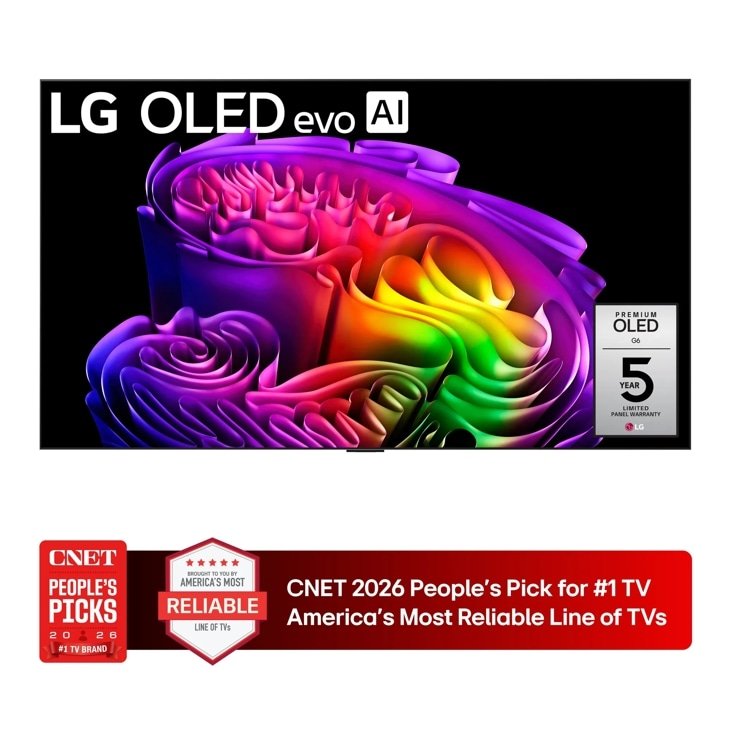
LG G6 OLED (65-inch)
We don't earn anything from this link.
What we like
- +Brightest measured HDR picture of the five sets in this guide
- +Only model here with a 5-year limited panel warranty
- +165Hz gaming with G-Sync and FreeSync Premium support
What we don't
- −Priciest 65-inch set in this guide at $2,799.99
- −Highest 3-year electricity cost of the LG and Samsung sets, about $119 at 5 hours a day
Skip it if
Your budget is under $2,500 or you do not need the extra brightness headroom over the LG C6.
The Practical Math · 3 years
| TV price, 65-inch | $2,799.99 |
| Electricity, 3 years (127.6 W on-mode, ENERGY STAR, 5 hrs/day at $0.17/kWh) | $118.76 |
| Total | $2,918.75 |
Also Great: LG C6 OLED (65-inch)
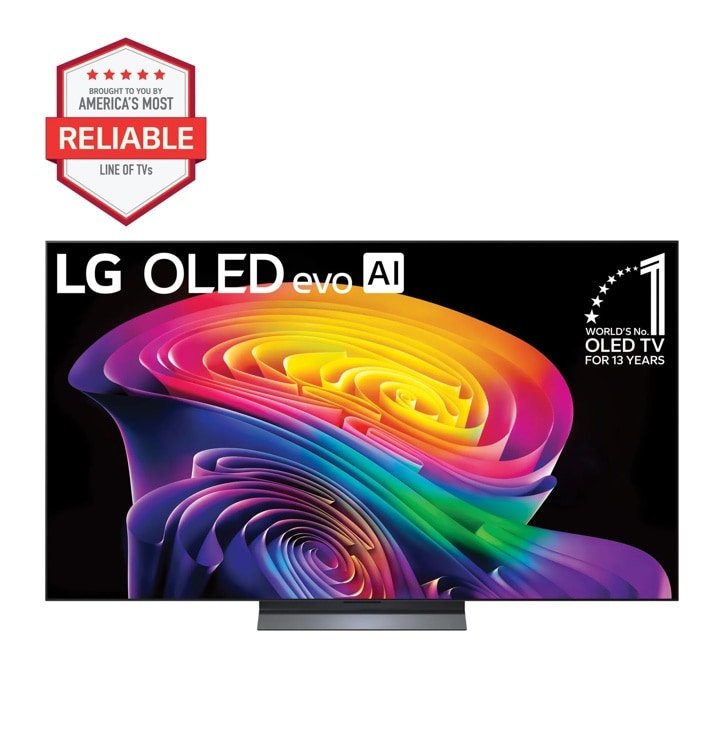
LG C6 OLED (65-inch)
We don't earn anything from this link.
What we like
- +Same 165Hz, G-Sync and FreeSync Premium gaming spec as the flagship G6
- +Strong real-scene HDR brightness for the price, per RTINGS
- +$100 cheaper than Samsung's S90H at the same 65-inch size
What we don't
- −No extended panel warranty, just the standard 1-year LG coverage
- −Dimmer than the G6 in full-screen HDR content
Skip it if
You want the 5-year panel warranty or the extra brightness headroom that the LG G6 offers.
The Practical Math · 3 years
| TV price, 65-inch | $2,699.99 |
| Electricity, 3 years (141.6 W on-mode, ENERGY STAR, 5 hrs/day at $0.17/kWh) | $131.79 |
| Total | $2,831.78 |
Also Consider: Samsung S90H OLED (65-inch)
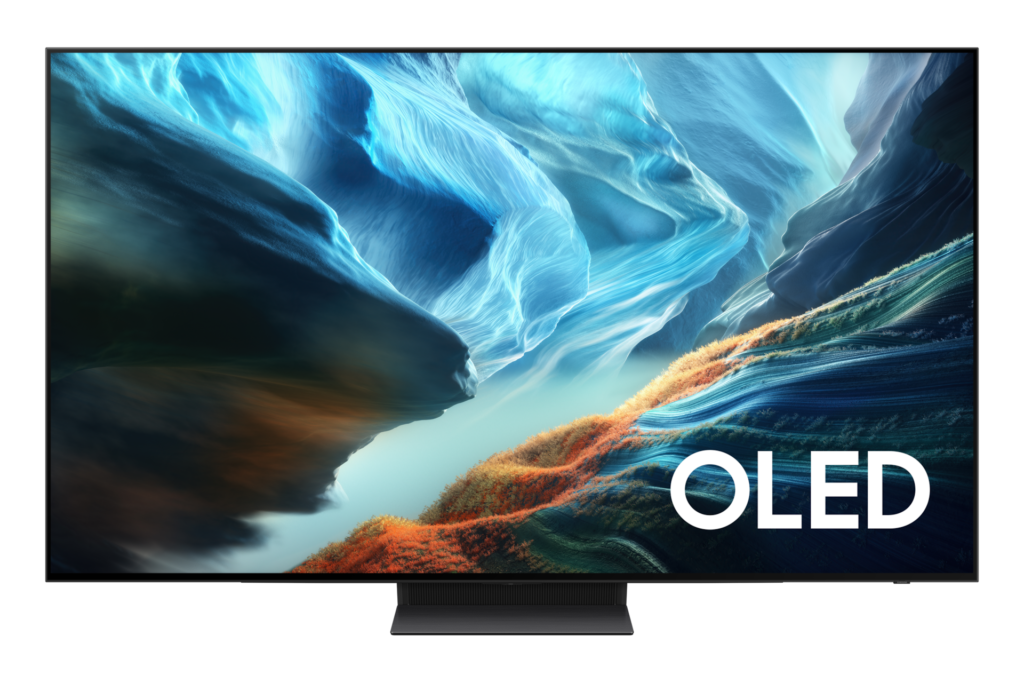
Samsung S90H OLED (65-inch)
We don't earn anything from this link.
What we like
- +QD-OLED color and a Glare Free 3.0 coating for bright rooms
- +Lowest 3-year electricity cost of the four ENERGY STAR-listed sets, about $110
- +165Hz gaming with Samsung's Ultimate Gaming Pack
What we don't
- −No Dolby Vision, HDR10+ only
- −Standard 1-year warranty with no burn-in-specific coverage
Skip it if
Your streaming library depends on Dolby Vision or you want a longer panel warranty than 1 year.
The Practical Math · 3 years
| TV price, 65-inch | $2,699.99 |
| Electricity, 3 years (118.67 W on-mode, ENERGY STAR, 5 hrs/day at $0.17/kWh) | $110.45 |
| Total | $2,810.44 |
Also Consider: Samsung S95H OLED (65-inch)
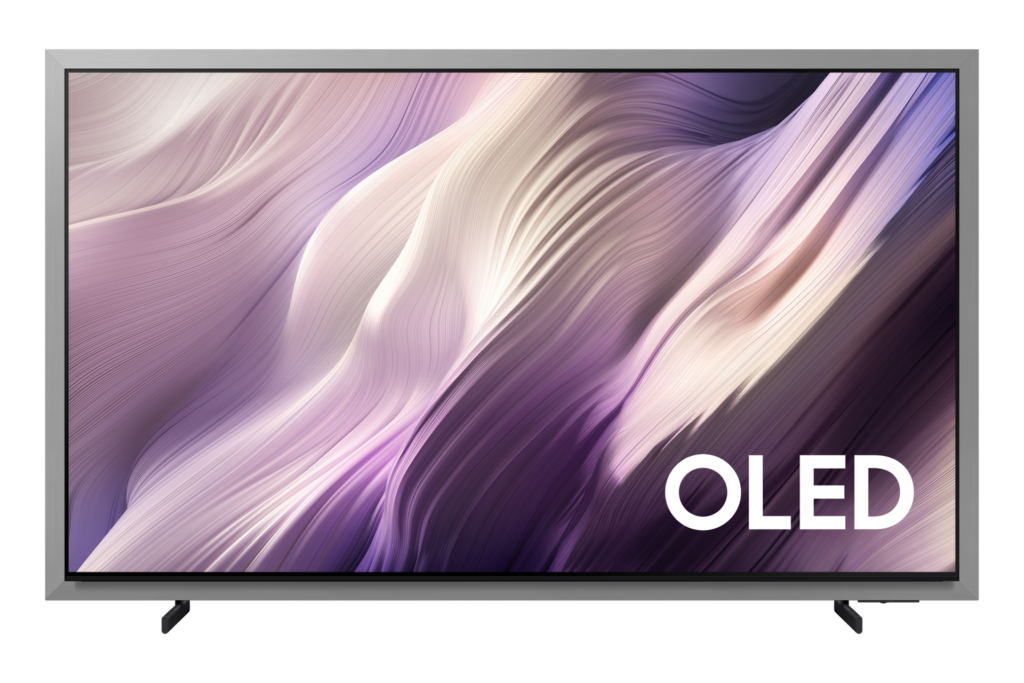
Samsung S95H OLED (65-inch)
We don't earn anything from this link.
What we like
- +Samsung says it is 35% brighter than last year's S95F
- +Metal-bezel build with a Zero Gap wall mount option
- +Same 165Hz gaming spec as the S90H, plus a wireless connection box option
What we don't
- −Priciest set in this guide at $3,399.99
- −Still no Dolby Vision and no burn-in-specific warranty despite the price
Skip it if
The cheaper S90H already covers your brightness needs; the S95H mainly adds design and a bit more light output.
The Practical Math · 3 years
| TV price, 65-inch | $3,399.99 |
| Electricity, 3 years (125.24 W on-mode, ENERGY STAR, 5 hrs/day at $0.17/kWh) | $116.57 |
| Total | $3,516.56 |
Best Value: Sony Bravia 6 OLED (65-inch)
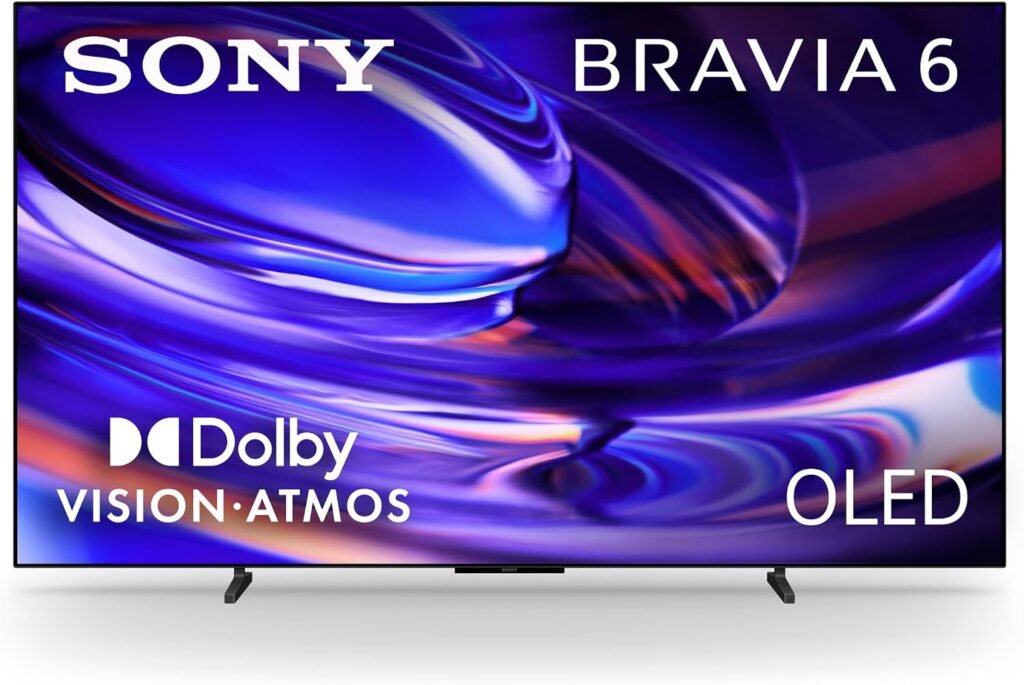
Sony Bravia 6 OLED (65-inch)
We don't earn anything from this link.
What we like
- +Cheapest 65-inch OLED in this guide at $1,698.00
- +Google TV smart platform with Gemini and wide app support
- +Still gets 4x HDMI 2.1 and Dolby Vision, which Samsung's sets skip
What we don't
- −Caps out at 120Hz versus 165Hz on the LG and Samsung sets
- −No ENERGY STAR listing published yet, so running cost cannot be verified
- −No independent lab brightness or input lag figures published yet as of this writing
- −No ENERGY STAR or EnergyGuide figure is published yet, so its 3-year total leaves out electricity and is not directly comparable with the other picks.
Skip it if
You want 165Hz PC gaming support or a verified running cost before you buy.
The Practical Math · 3 years
| TV price, 65-inch | $1,698.00 |
| Total | $1,698.00 |
The specs that matter, in plain English
- QD-OLED
- A Samsung-made OLED panel that adds a quantum dot color layer over the self-lit pixels for brighter, more saturated color than a standard WOLED panel.
- Tandem OLED
- An OLED panel with two or four light-emitting layers stacked instead of one, used in LG's 2026 G6 to push HDR brightness higher without shortening panel life.
- VRR (Variable Refresh Rate)
- A gaming feature that lets the TV match its refresh rate to a console or PC's frame rate in real time, cutting screen tearing and stutter.
- Burn-in
- Permanent image retention left behind when the same bright, static element, such as a channel logo or scoreboard, stays on an OLED screen for very long stretches; rare in normal viewing but the reason panel warranties exist.
- Nits (cd/m2)
- The unit used to measure how bright a screen gets; RTINGS and other labs report peak brightness in nits, the everyday name for candela per square meter (cd/m2).
What changed
- May 17, 2026 First published with prices, specs and scores for the 2026 LG, Samsung and Sony OLED lineups.
- Sep 16, 2026 Prices and CPSC recalls re-checked; RTINGS brightness and input lag figures and ENERGY STAR wattage added for every model.
Sources we read
- LG Announces Pricing and Availability for 2026 Flagship TV Models read Sep 16, 2026
- LG 2026 TV lineup (with TV compare tool) read Sep 16, 2026
- 65-inch LG OLED evo AI C6 4K Smart TV product page read Sep 16, 2026
- 65-inch LG OLED evo AI G6 4K Smart TV product page read Sep 16, 2026
- Samsung 65-inch OLED S90H product page read Sep 16, 2026
- Samsung 65-inch OLED S95H product page read Sep 16, 2026
- Sony BRAVIA 6 K-65A60 65-inch OLED TV listing, Amazon.com read Sep 16, 2026
- Sony launches 48-83 inch Bravia 6 OLED TVs read Sep 16, 2026
- LG G6 OLED Review read Sep 16, 2026
- LG C6 OLED 2026 Review read Sep 16, 2026
- Samsung S90H OLED Review read Sep 16, 2026
- ENERGY STAR Certified Televisions dataset read Sep 16, 2026
- CPSC SaferProducts.gov Recall API, query: television read Sep 16, 2026
- Samsung US product warranty page read Sep 16, 2026
- Sony OLED Monitor Burn-in Warranty Extended But Bravia TVs Excluded read Sep 16, 2026
We research products from published specs, certification databases, independent lab reports and owner reviews. We do not test products in our own lab. How we score.