The Best Mirrorless Cameras of 2026
| Product | Score | Image quality (sensor)(30%) | Autofocus(20%) | 3-Year Cost |
|---|---|---|---|---|
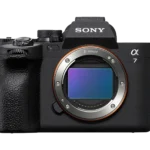 Sony a7 IVBest Overall |
8.4 |
8.5/10 |
9.0/10 |
$1,999.99checked Sep 15, 2026 |
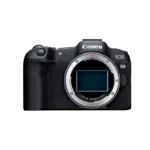 Canon EOS R8Also Great |
8.1 |
8.0/10 |
8.5/10 |
$1,349.00checked Sep 15, 2026 |
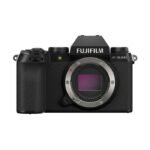 Fujifilm X-S20Also Consider |
7.9 |
7.5/10 |
8.0/10 |
$1,499.95checked Sep 15, 2026 |
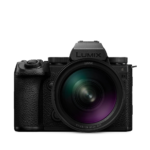 Panasonic Lumix S5 IIXAlso Consider |
7.9 |
8.0/10 |
8.0/10 |
$2,099.99checked Sep 15, 2026 |
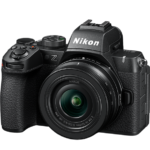 Nikon Z50 IIBest Value |
7.5 |
7.0/10 |
7.5/10 |
$1,009.95checked Sep 15, 2026 |
Sorted by score. Prices come from each seller's site on the date shown and change often.
Brand claim vs independent measurement
| Product | What the brand claims | Independent figure | Source |
|---|---|---|---|
| Sony a7 IVDynamic range at base ISO | 15-stop dynamic range for stills, per Sony's own test conditions footnote | 14.7 EV measured at base ISO, with 25.4-bit color depth, DXOMark sensor score of 97 | DXOMark |
| Canon EOS R8Dynamic range and color depth at base ISO | Canon does not publish a stops or bit-depth figure for this sensor | 14.7 EV dynamic range and 24.5-bit color depth measured at base ISO, DXOMark sensor score of 93 | DXOMark |
| Panasonic Lumix S5 IIXDynamic range, 5.9K full-frame mode at ISO 640 | Panasonic markets a flat V-Log profile for grading but does not publish a stops figure | 13.7 stops measured at SNR = 1, 12.3 stops at SNR = 2, on the same sensor used in the Lumix S5 II | CineD |
We do not run these tests ourselves. Independent figures are quoted from the source named in each row.
The Sony a7 IV is the mirrorless camera most buyers in this list should start with: a 33-megapixel full-frame sensor, a 759-point autofocus system rated at 94% frame coverage, and access to the widest lens catalog of any mirrorless mount, for $1,999.99 body only through Sony’s own store. If that is more camera than you need, the Nikon Z50 II gets you a real subject-tracking autofocus system for $1,009.95, the least expensive body in this group, and the Fujifilm X-S20 pairs a 750-shot battery with in-body stabilization for $1,499.95.
Every camera below is sold new in the US as of September 16, 2026. Every price, spec, and lab figure here comes from a page we opened ourselves: a brand’s own US store, a named independent sensor lab, or the federal recall database, never from a camera put through a lab of our own. See how we score for the method behind the criteria below, and browse the wider category at cameras and drones.
How we picked
These picks come from published specifications, brand-store listings, and named third-party lab measurements, not from cameras tested in our own studio; see how we score for the full method. We weighted 5 criteria: image quality from the sensor (30%), autofocus (20%), the lens system available for each mount (15%), video and stabilization (15%), and 3-year cost to own (20%). A camera body has no recurring consumables or electricity draw the way a blender or an air purifier does, so the cost figure here is the body price itself, read directly from each brand’s US store on September 16, 2026.
For image quality, we relied on DXOMark’s published sensor tests for the Sony a7 IV and Canon EOS R8, and on CineD’s lab test of the sensor shared by the Panasonic Lumix S5 II and S5 IIX, both cited by name with a link to the exact test page. We also checked the CPSC’s SaferProducts.gov recall database using a broad camera search before publishing; none of the 5 cameras in this list, or their brands, appear in an active recall as of that check.
What to look for
- Autofocus points above 400, with subject detection for eyes, animals, or vehicles. The Fujifilm X-S20 and Panasonic Lumix S5 IIX clear that bar at 425 and 779 points. The Nikon Z50 II’s 231 points still tracks faces well but falls behind for fast sports.
- In-body stabilization rated 5 stops or better by CIPA. The Sony a7 IV, Fujifilm X-S20, and Panasonic Lumix S5 IIX all build it into the body. The Canon EOS R8 does not, so budget for a stabilized lens if you shoot handheld video.
- Battery life of at least 400 shots per charge, CIPA rated. The Fujifilm X-S20 is rated for 750 shots, more than double the Canon EOS R8’s 290, which matters if you shoot a full day without a spare battery.
- 4K video at 60 fps with no more than a modest sensor crop, if video matters to you. The Panasonic Lumix S5 IIX records up to 6.2K with Open Gate and RAW output over HDMI. The Canon EOS R8 crops its sensor at 4K 60p.
- A lens budget on top of the body price. Full-frame mounts, Sony E, Canon RF, and the Panasonic and Leica L-mount alliance, generally cost more per lens than the APS-C Nikon Z DX and Fujifilm X mounts.
- A recall check before buying used gear. Search the model name at saferproducts.gov. None of the cameras in this guide carry an open CPSC recall as of September 16, 2026.
FAQ
What is the difference between full-frame and APS-C mirrorless cameras?
A full-frame sensor, used in the Sony a7 IV, Canon EOS R8, and Panasonic Lumix S5 IIX, measures about 36 by 24mm and generally gathers more light per pixel, which helps in dim rooms and at night. An APS-C sensor, used in the Nikon Z50 II and Fujifilm X-S20, is roughly two-thirds that size, which keeps both the body and its lenses smaller and cheaper. DXOMark’s sensor tests put the full-frame Sony a7 IV and Canon EOS R8 within 0.1 EV of each other on measured dynamic range.
Do I need in-body image stabilization?
You need it if you shoot handheld video or low-light photos without a tripod; it matters less if you mostly shoot on a tripod or with stabilized lenses. The Panasonic Lumix S5 IIX combines its 5-stop body stabilization with a stabilized lens for up to 6.5 stops of combined correction, per Panasonic’s own published rating. The Canon EOS R8 has no in-body stabilization, so it relies on stabilized RF lenses and a digital crop for video.
Is the Sony a7 IV still worth buying in 2026?
Yes, for most buyers who want one camera that handles photo and video equally well. Sony’s own store lists it at $1,999.99 for the body, a $500 markdown from its original $2,499.99 price, and DXOMark’s sensor test still scores it among the higher full-frame results the lab has published. Buyers who want a lighter body or a lower price should look at the Canon EOS R8 instead.
Which of these cameras is best for video?
The Panasonic Lumix S5 IIX, built for it with Open Gate sensor readout, internal ProRes recording, and RAW output over HDMI, features aimed at video work more than stills. CineD’s lab test measured its sensor at up to 13.7 stops of dynamic range at ISO 640 in 5.9K full-frame mode. The Fujifilm X-S20 is the lower-cost alternative for video, with 6.2K 10-bit internal recording and a 750-shot battery rating.
How much should I budget for lenses beyond the camera body?
Plan to spend at least as much on your first one or two lenses as you spent on the body, more if you shoot full-frame. Sony’s E-mount and the Panasonic and Leica L-mount alliance both draw third-party lenses from Sigma and Tamron, which tends to lower the entry price compared to first-party glass only. The Nikon Z50 II and Fujifilm X-S20 use smaller APS-C sensors, so their native lenses are generally smaller and less expensive than full-frame equivalents.
Best Overall: Sony a7 IV
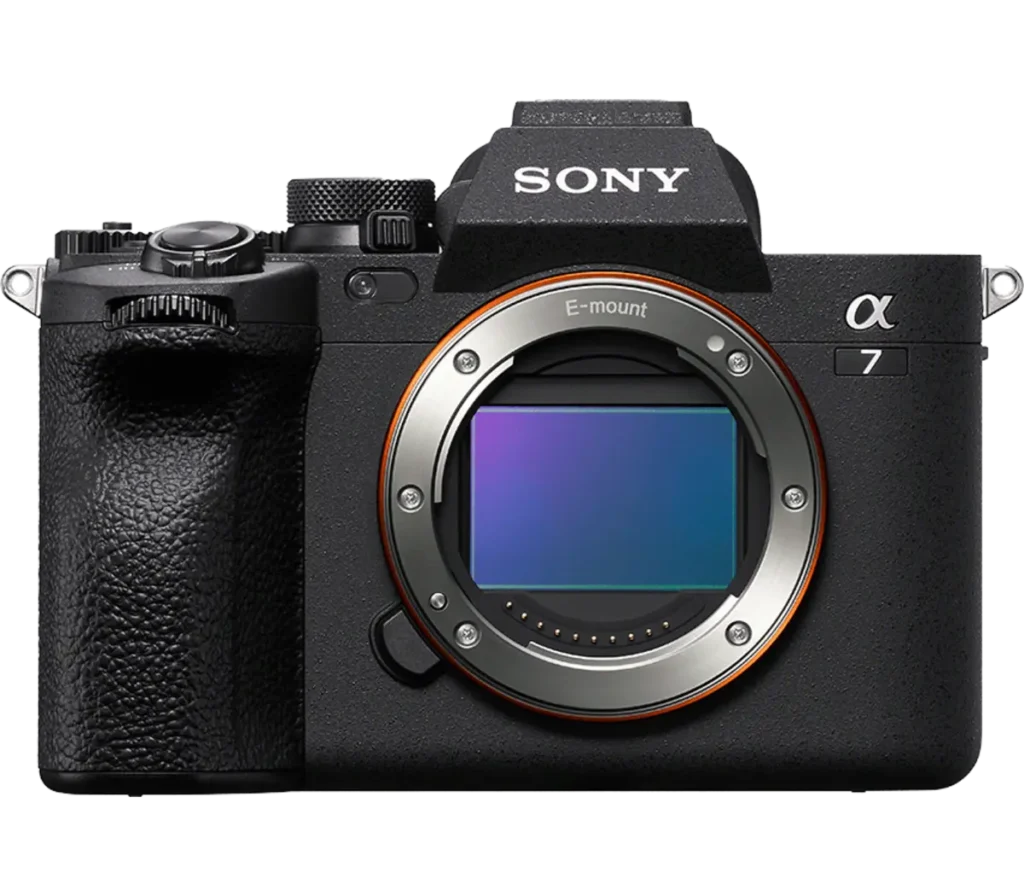
Sony a7 IV
We don't earn anything from this link.
What we like
- +759-point autofocus with real-time tracking for human, animal, and bird eyes across 94% of the frame
- +DXOMark's sensor test scored it 97, with 14.7 EV of measured dynamic range at base ISO
- +Widest native and third-party E-mount lens catalog of any full-frame mirrorless system, including Sigma and Tamron glass
What we don't
- −4K 60p video crops into the Super 35mm area instead of using the full sensor width
- −At 659g body only, it is heavier than the Canon EOS R8 or Fujifilm X-S20
Skip it if
Skip it if uncropped 4K 60p video matters more than photo autofocus to you. The Panasonic Lumix S5 IIX records up to 5.8K without that crop.
The Practical Math · 3 years
| Camera body, Sony store price read Sep 16, 2026 (price shown is for the body only; a kit with the FE 28-70mm F3.5-5.6 OSS lens is also sold) | $1,999.99 |
| Total | $1,999.99 |
Also Great: Canon EOS R8
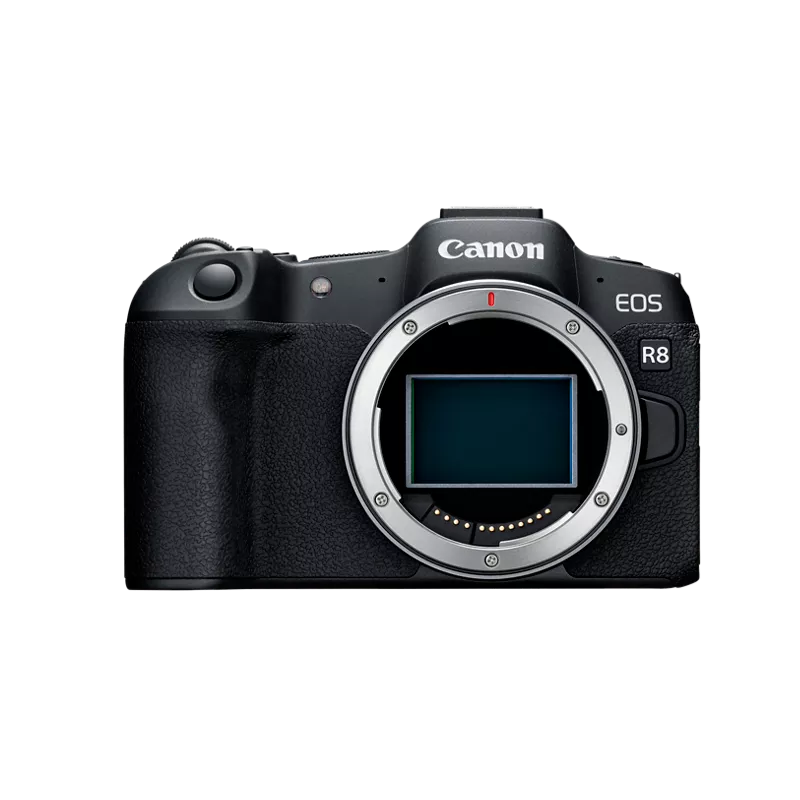
Canon EOS R8
We don't earn anything from this link.
What we like
- +Dual Pixel CMOS AF II autofocus, the same system Canon uses in its higher-end EOS R6 Mark II
- +$1,349.00 body price on Canon's own store is the lowest full-frame price in this group as of Sep 16, 2026
- +DXOMark measured 14.7 EV of dynamic range and 24.5-bit color depth, matching the pricier Sony a7 IV
What we don't
- −No in-body image stabilization, so handheld low-light shots depend entirely on the lens
- −290-shot CIPA battery rating is the lowest of the 5 cameras here
Skip it if
Skip it if you shoot handheld video often and do not want to buy stabilized RF lenses. The Sony a7 IV and Fujifilm X-S20 both stabilize the sensor itself.
The Practical Math · 3 years
| Camera body, Canon store sale price read Sep 16, 2026, discounted from a $1,649.00 regular price through Sep 20, 2026 (price shown is for the body only; Canon also sells it as a kit with the RF24-50mm F4.5-6.3 IS STM lens) | $1,349.00 |
| Total | $1,349.00 |
Also Consider: Fujifilm X-S20
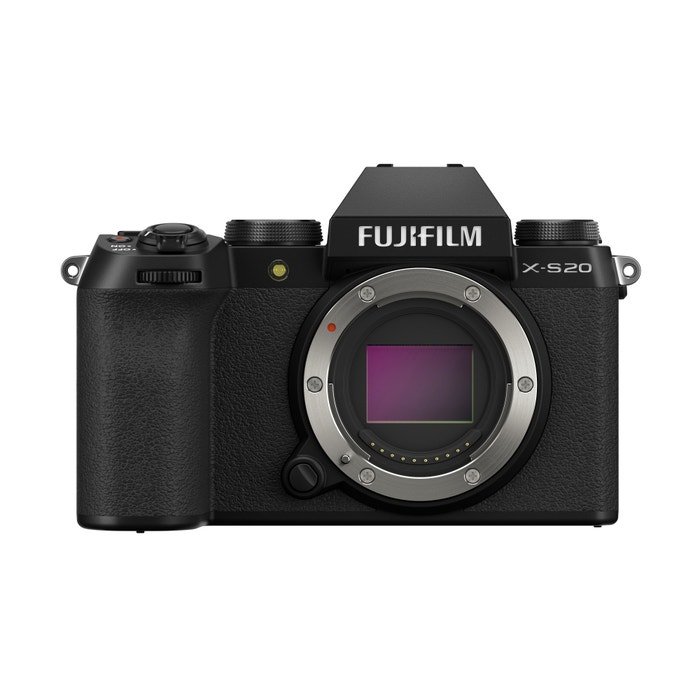
Fujifilm X-S20
We don't earn anything from this link.
What we like
- +750-shot CIPA battery rating is the highest of any camera in this list, nearly double the Canon EOS R8's
- +In-body stabilization rated up to 7.0 stops, the highest figure any brand here publishes
- +6.2K 10-bit internal video at a lower body price than the Sony a7 IV or Panasonic Lumix S5 IIX
What we don't
- −26.1MP APS-C sensor gathers less light per pixel than the full-frame cameras in this list
- −Fujifilm's X-mount has fewer native lens options than Sony E-mount or Canon RF
Skip it if
Skip it if you need a full-frame sensor for low-light photo work. The Canon EOS R8 costs about $150 less and uses a larger sensor.
The Practical Math · 3 years
| Camera body, Fujifilm store price read Sep 16, 2026, in stock (price shown is for the body only; Fujifilm also sells a kit with the XC15-45mm F3.5-5.6 OIS PZ lens) | $1,499.95 |
| Total | $1,499.95 |
Also Consider: Panasonic Lumix S5 IIX
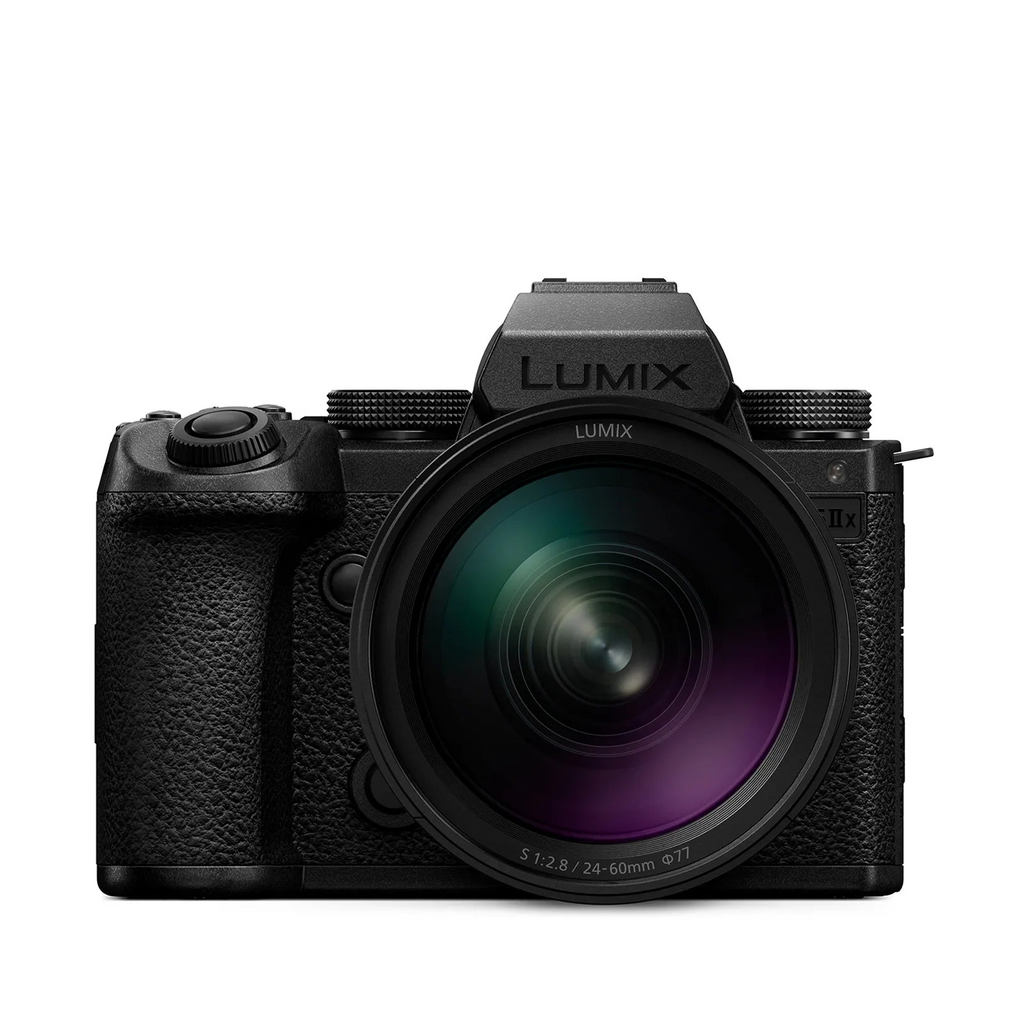
Panasonic Lumix S5 IIX
We don't earn anything from this link.
What we like
- +779-point autofocus is the highest point count of any camera in this list
- +Open Gate sensor readout plus internal ProRes and RAW-over-HDMI output, aimed at video workflows the other 4 cameras cannot match
- +CineD's lab test measured up to 13.7 stops of dynamic range on this sensor generation at ISO 640
What we don't
- −$2,099.99 body price is the highest in this list
- −370-shot CIPA battery rating trails the Fujifilm X-S20 and Sony a7 IV
Skip it if
Skip it if you mainly shoot stills and do not need Open Gate or ProRes recording. The Sony a7 IV costs about $100 less and scores higher on autofocus for photography.
The Practical Math · 3 years
| Camera body, Panasonic store price read Sep 16, 2026, valid through Sep 26, 2026, in stock (price shown is for the body only; Panasonic also sells a kit with the LUMIX S 20-60mm F3.5-5.6 lens) | $2,099.99 |
| Total | $2,099.99 |
Best Value: Nikon Z50 II
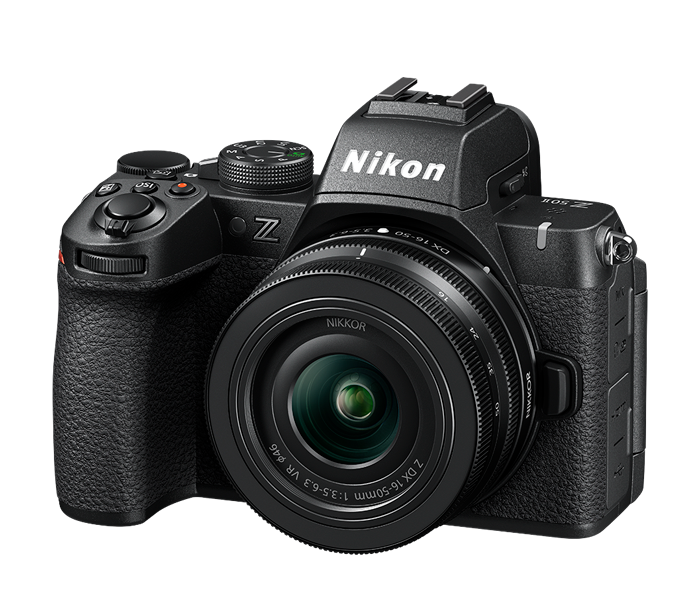
Nikon Z50 II
We don't earn anything from this link.
What we like
- +$1,009.95 body price on Nikon's own store is the lowest of any camera in this list
- +231-point autofocus with subject detection at a price the other 4 cameras do not reach
- +Uses Nikon's Z mount, so it can also mount every full-frame Z lens Nikon sells
What we don't
- −No in-body stabilization, and Nikon's own store listed the body as on backorder when this price was checked on Sep 16, 2026
- −231-point autofocus and 240 to 250-shot battery life trail every other camera on this list
Skip it if
Skip it if you need in-body stabilization or all-day battery life without a spare. The Fujifilm X-S20 has both for about $490 more.
The Practical Math · 3 years
| Camera body, Nikon store price read Sep 16, 2026, listed on backorder directly from Nikon that day (price shown is for the body only; Nikon also sells a kit with the NIKKOR Z DX 16-50mm f/3.5-5.6 VR lens) | $1,009.95 |
| Total | $1,009.95 |
The specs that matter, in plain English
- CIPA
- The industry association whose standardized test method rates battery life and image-stabilization stops, so numbers from different brands can be compared directly.
- IBIS
- In-body image stabilization. The sensor itself shifts to counter camera shake, working with any lens mounted, unlike stabilization built only into a lens.
- Dynamic range
- The span from the darkest shadow to the brightest highlight a sensor can record in one exposure without losing detail, measured in EV or stops.
- Phase-detection autofocus
- An autofocus method that uses dedicated sensor pixels to judge focus direction and distance in a single reading, which is why point counts and coverage percentages matter for tracking speed.
- Open Gate recording
- A video mode that uses the sensor's full height and width instead of cropping to a standard video aspect ratio, giving more room to reframe or stabilize footage after the fact.
What changed
- Jan 7, 2026 First published with prices checked on this date.
- Sep 16, 2026 Prices and recalls re-checked.
Sources we read
- Sony Alpha 7 IV product page, Sony Electronics store read Sep 16, 2026
- Canon EOS R8 product page, Canon USA store read Sep 16, 2026
- Nikon Z50II product page, Nikon USA store read Sep 16, 2026
- Fujifilm X-S20 product page, Fujifilm USA store read Sep 16, 2026
- Fujifilm X-S20 features and specifications overview read Sep 16, 2026
- Panasonic Lumix S5IIX product page, Panasonic store read Sep 16, 2026
- Sony A7 IV Sensor test, DXOMark read Sep 16, 2026
- Canon EOS R8 Sensor test, DXOMark read Sep 16, 2026
- Panasonic Lumix S5 II lab test: rolling shutter, dynamic range and latitude, CineD read Sep 16, 2026
- CPSC SaferProducts.gov recall database, query: camera read Sep 16, 2026
- Panasonic Lumix S5IIX full specifications read Sep 16, 2026
We research products from published specs, certification databases, independent lab reports and owner reviews. We do not test products in our own lab. How we score.