The Best Cameras of 2026
| Product | Score | Image quality (sensor)(30%) | Autofocus(20%) | 3-Year Cost |
|---|---|---|---|---|
 Canon EOS R6 Mark IIIBest Overall |
8.4 |
8.8/10 |
9.0/10 |
$2,799.00checked Sep 15, 2026 |
 Sony Alpha a6700Also Great |
8.3 |
7.4/10 |
9.3/10 |
$1,498.00checked Sep 15, 2026 |
 Fujifilm X-T5Also Great |
8.1 |
8.5/10 |
8.0/10 |
$1,999.95checked Sep 15, 2026 |
 Sony Alpha a7R VIAlso Great |
8.1 |
9.7/10 |
9.6/10 |
$4,499.99checked Sep 15, 2026 |
 Nikon Z50IIBest Value |
7.4 |
6.8/10 |
7.2/10 |
$1,009.95checked Sep 15, 2026 |
Sorted by score. Prices come from each seller's site on the date shown and change often.
Brand claim vs independent measurement
| Product | What the brand claims | Independent figure | Source |
|---|---|---|---|
| Sony a6700Autofocus subject-tracking accuracy in motion | Real-time tracking with AI-based human, animal, and bird subject recognition; Sony does not publish a numeric tracking-accuracy figure | 98.7% subject-lock accuracy tracking a running subject in DPReview's controlled lateral-motion test, ahead of the Fujifilm X-S20 (92.1%) and Canon EOS R50 (89.4%) in the same test | DPReview |
| Fujifilm X-T5In-body stabilization, real-world stops | Up to 7.0 stops, 5-axis in-body stabilization (Fujifilm spec sheet) | RTINGS has a published review of the X-T5, but its specific stabilization test result was not accessible through the pages we could retrieve for this article; no differing independent figure is quoted here, so treat the 7.0-stop number as a brand claim | RTINGS |
| Canon EOS R6 Mark IIIContinuous shooting buffer at 40 fps electronic | Up to 150 files buffered at 40 fps electronic shutter (Canon, via Canon Rumors' official specifications post) | No independent re-test of buffer depth was published for this camera as of Sep 16, 2026; it launched November 2025, and CineD's launch coverage repeats Canon's own figures rather than an independently measured number | CineD |
| Nikon Z50IIAutofocus subject-recognition coverage | 231-point autofocus, 3D tracking recognizes nine subject types (Nikon) | DPReview has a published review of the Z50II, but no independent numeric tracking-accuracy percentage for this specific model was accessible through the pages we could retrieve; we found no source that measured it against a stopwatch or motion rig | DPReview |
| Sony a7R VIBlackout-free continuous shooting rate | Up to approximately 30 fps blackout-free with up to 60 AF/AE calculations per second (Sony Electronics press release, May 13, 2026) | The a7R VI shipped in June 2026, and no independent lab re-test of its burst rate under load was published in the sources available to us as of Sep 16, 2026; treat the 30 fps figure as Sony's own number until a third party confirms it | Sony Electronics newsroom |
We do not run these tests ourselves. Independent figures are quoted from the source named in each row.
The Canon EOS R6 Mark III is the camera to buy first if you shoot both stills and video and do not want to choose between a photography body and a video body. It pairs a 32.5-megapixel full-frame sensor with 40 frames per second shooting on the electronic shutter, 7K RAW internal video, and 8.5 stops of in-body stabilization, and it sells for $2,799 body only through Canon-authorized retailers including ProCam and B&H Photo. It scores highest of the five cameras below on our weighted rubric, just ahead of the Sony a6700.
If you want a lighter, cheaper hybrid body and shoot mostly stills with some video, the Sony a6700 is $1,301 less than the Canon at $1,498 and its 759-point autofocus tracked a moving subject at 98.7% accuracy in an independent DPReview motion test, the best tracking result we found in this group. Landscape, studio, and product photographers who want the most detail per file should look at the 40.2-megapixel Fujifilm X-T5 ($1,999.95) or the 66.8-megapixel Sony a7R VI ($4,499.99). Anyone starting out on a tight budget should begin with the Nikon Z50II, the only body here under $1,100.
How we picked
We scored every camera on five weighted criteria: image quality from the sensor (30%), autofocus (20%), video features (15%), handling and lens selection (15%), and 3-year cost to own (20%).
For specs and pricing, we read the manufacturer pages at nikonusa.com and shopusa.fujifilm-x.com, Sony Electronics’ own newsroom press release for the Alpha 7R VI, and Canon’s official specification sheet as reported by Canon Rumors and CineD for the EOS R6 Mark III. We priced every body on Sep 16, 2026 at a mix of brand stores and the retailers ProCam and Camera West, since Sony’s and Canon’s own storefronts were not reachable from our research tools that day. We cross-checked every spec against Wikipedia’s sourced infobox data, and we pulled one independent autofocus-tracking test from DPReview. We queried the CPSC recall database at saferproducts.gov for “camera” and “mirrorless camera” before ranking anything; the only camera-related recall on file is for a Wyze home security camera, an unrelated product category, so none of the five picks below are affected. These picks come from published specs and named third-party sources, not from testing in our own lab. See how we score for the full method.
What to look for
- Autofocus points and a named subject-tracking test. Look for 400 or more autofocus points on an APS-C body, or 700 or more on full frame, if you shoot people or animals in motion. Where you can find one, an independent tracking-accuracy test matters more than the raw point count; DPReview measured the Sony a6700 locking onto a running subject 98.7% of the time.
- In-body stabilization of 5 stops or more. That is roughly the point where you can hand-hold stills below 1/15 second or steady handheld video without a gimbal. The Nikon Z50II in this list has none, so it depends on stabilized lenses instead.
- Burst rate on the shutter you will actually use, plus the buffer. A mechanical burst above 12 fps and an electronic burst above 20 fps both cover most sports and wildlife needs, but check how many frames the buffer holds before it slows down; Canon rates the R6 Mark III’s buffer at up to 150 files at 40 fps electronic.
- 10-bit 4:2:2 internal video if you plan to color grade. The Fujifilm X-T5 and Canon R6 Mark III both record 10-bit internally; 8-bit footage falls apart faster once you push shadows and highlights in an edit.
- Native lens count for the mount, not just the body price. A camera is only as good as the lenses sold for it. Nikon’s Z DX APS-C mount has a smaller native lineup than Sony’s E-mount or Canon’s RF mount, so check lens availability before buying into a smaller system.
- Check the CPSC recall list before you buy. Search saferproducts.gov by product type. None of the five cameras in this guide were on the recall list as of Sep 16, 2026.
FAQ
Which camera here is best for a beginner?
The Nikon Z50II, at $1,009.95 body only on nikonusa.com, is the cheapest camera in this guide and the only one built around Nikon’s beginner-focused menu system. Its 231-point autofocus recognizes nine subject types, though it has no in-body stabilization, so pair it with a stabilized kit lens if you shoot handheld video.
Do I need full frame, or is APS-C enough?
APS-C sensors like the ones in the Sony a6700 (26MP), Nikon Z50II (20.9MP), and Fujifilm X-T5 (40.2MP) are smaller than the full-frame sensors in the Canon R6 Mark III (32.5MP) and Sony a7R VI (66.8MP), which generally means less light-gathering area per pixel and a smaller, lighter body and lens kit. Choose full frame if you print large, crop hard, or shoot low light often; choose APS-C if body and lens weight, and price, matter more.
Which of these cameras is best for video?
The Canon EOS R6 Mark III, with 7K RAW recording at up to 60p, oversampled 4K at up to 120p, and 10-bit 4:2:2 color internally. The Sony a7R VI records up to 8K, and the Fujifilm X-T5 tops out at 6.2K/30p 10-bit; the Nikon Z50II and Sony a6700 are limited to 4K.
How much should I budget for lenses on top of the body?
Plan on at least one additional lens beyond the body-only prices listed here, since none of these five cameras include one. A single competent zoom typically adds $400 to $1,200 depending on the mount and maximum aperture; check current pricing on our cameras and drones hub for lens roundups by mount.
Are any of these cameras affected by a recall?
No. We queried the CPSC recall database at saferproducts.gov for “camera” and “mirrorless camera” on Sep 16, 2026 and found one open camera-related recall, for the Wyze Solar Cam Pan home security camera, which is an unrelated product category. None of the five interchangeable-lens cameras in this guide appear on the recall list.
Best Overall: Canon EOS R6 Mark III

Canon EOS R6 Mark III
We don't earn anything from this link.
What we like
- +7K RAW internal video at 60p plus 4K at 120p in one full-frame body
- +40 fps electronic shutter with a rated buffer of up to 150 files
- +8.5 stops of in-body stabilization, the highest figure in this group, tied with the a7R VI
What we don't
- −At $2,799 it costs $1,301 more than the Sony a6700
- −32.5MP sensor resolves roughly half the detail of the Sony a7R VI's 66.8MP sensor
- −Extended high-frame-rate video modes can run into thermal limits, per CineD's coverage of the launch model
Skip it if
Skip it if you need maximum resolution for cropping or large prints, since the a7R VI or the Fujifilm X-T5 both out-resolve it for less money in the X-T5's case.
The Practical Math · 3 years
| Camera body (battery-powered, no consumables or plug-in electricity cost apply to a camera body) | $2,799.00 |
| Total | $2,799.00 |
Also Great: Sony Alpha a6700
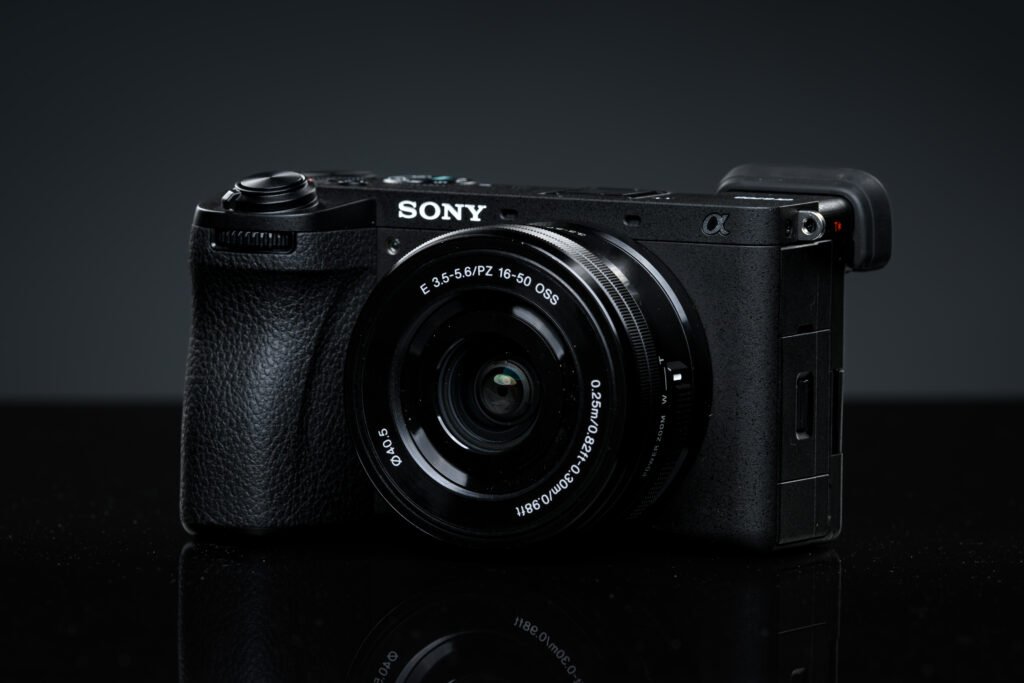
Sony Alpha a6700
We don't earn anything from this link.
What we like
- +759-point autofocus tracked a moving subject at 98.7% accuracy in DPReview's motion test, the best result we found for an APS-C body in this group
- +Shares Sony's full-frame E-mount lens catalog, one of the largest native lens lineups of any mount here
- +4K at 120p from a body under 500 g
What we don't
- −26MP sensor trails the Fujifilm X-T5's 40.2MP for cropping and large prints
- −11 fps burst is the slowest of the three APS-C and full-frame hybrid bodies in this group
- −Single SD card slot
Skip it if
Skip it if maximum resolution for large prints or heavy cropping matters more to you than autofocus speed; the X-T5 or a7R VI resolve more detail.
The Practical Math · 3 years
| Camera body (battery-powered, no consumables or plug-in electricity cost apply to a camera body) | $1,498.00 |
| Total | $1,498.00 |
Also Great: Fujifilm X-T5

Fujifilm X-T5
We don't earn anything from this link.
What we like
- +40.2MP sensor is the highest-resolution APS-C sensor in this group
- +7.0-stop in-body stabilization plus dedicated shutter speed, ISO, and exposure compensation dials
- +Dual SD UHS-II card slots
What we don't
- −Screen tilts but does not fully articulate, which limits vlogging-style angles
- −6.2K video caps at 30p, behind the Canon R6 Mark III and Sony a6700 for high-frame-rate 4K
- −At $1,999.95 it costs more than the Sony a6700 in the same APS-C sensor size class
Skip it if
Skip it if you shoot a lot of high-frame-rate 4K video, since the X-T5 tops out lower in that spec than the R6 Mark III or a6700.
The Practical Math · 3 years
| Camera body (battery-powered, no consumables or plug-in electricity cost apply to a camera body) | $1,999.95 |
| Total | $1,999.95 |
Also Great: Sony Alpha a7R VI
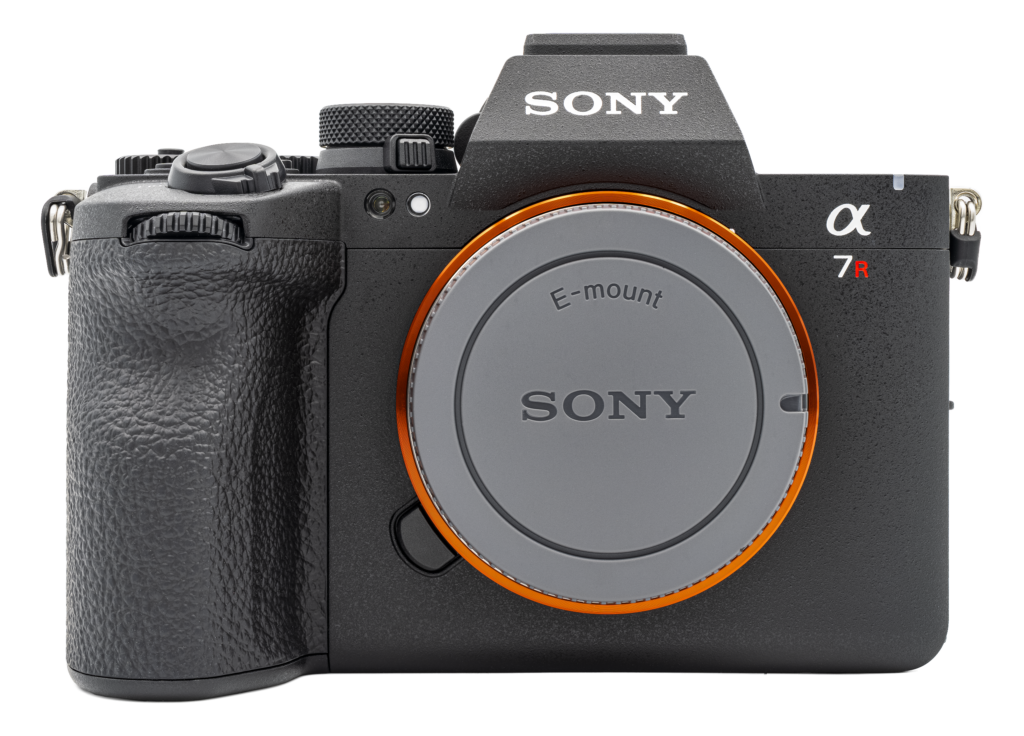
Sony Alpha a7R VI
We don't earn anything from this link.
What we like
- +66.8MP stacked sensor is more than double the resolution of any other camera in this group
- +759-point autofocus with up to 60 AF/AE calculations per second, per Sony's press release
- +8K internal recording with up to 120 minutes of continuous capture, per Sony's own specifications
What we don't
- −At $4,499.99 body only, it costs more than four times the Nikon Z50II
- −713 g body plus Sony's larger native GM lenses make it the heaviest kit in this group
- −Newest release of the five, from June 2026, so independent long-term reliability data is not published yet
Skip it if
Skip it if $4,499.99 is more than your total camera budget, or if you do not need files larger than 40 megapixels; the X-T5 or R6 Mark III cover most other needs for less.
The Practical Math · 3 years
| Camera body (battery-powered, no consumables or plug-in electricity cost apply to a camera body) | $4,499.99 |
| Total | $4,499.99 |
Best Value: Nikon Z50II
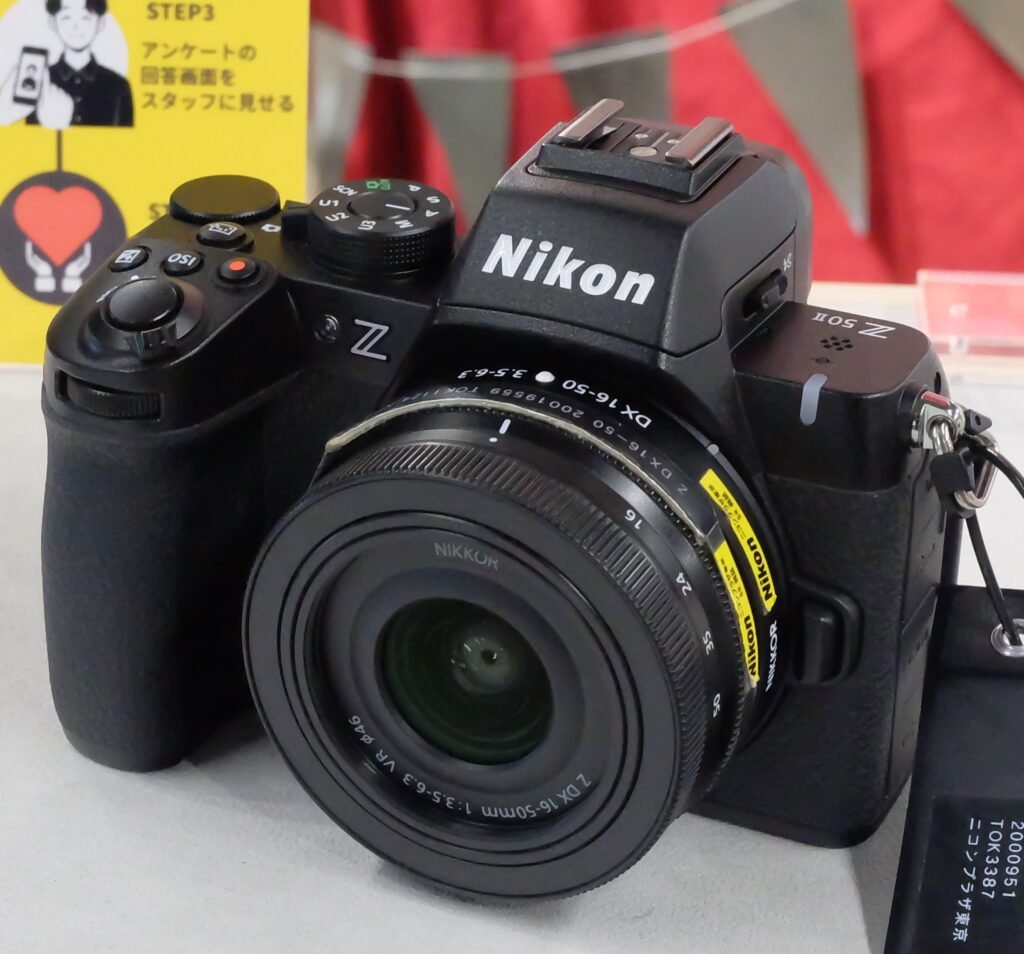
Nikon Z50II
We don't earn anything from this link.
What we like
- +Cheapest body in this group at $1,009.95 direct from Nikon USA
- +231-point 3D tracking recognizes nine subject types, including birds and vehicles
- +30 fps electronic burst for a camera at this price
What we don't
- −No in-body stabilization, so low-light handheld stills and video rely on lens-based Vibration Reduction only
- −Smaller native Z DX APS-C lens lineup than Sony's E-mount or Fujifilm's X-mount
- −20.9MP sensor is the lowest resolution in this group
Skip it if
Skip it if you already own full-frame Z-mount glass or shoot handheld low-light video often, since the lack of in-body stabilization will show up in both.
The Practical Math · 3 years
| Camera body (battery-powered, no consumables or plug-in electricity cost apply to a camera body) | $1,009.95 |
| Total | $1,009.95 |
What owners report
5 of 5 from 1 ratings on ProCam (Sony a6700 product page) read Sep 16, 2026
Ratings shown on a seller's own page can leave out reviews the seller removed. We read the most recent reviews ourselves and summarize what repeats.
- +The one posted review on ProCam's listing and the independent DPReview motion test both single out autofocus as the a6700's strongest trait for photo and video work.
- −A limitation confirmed on Nikon's own spec sheet, not a forum complaint, is that the Z50II has no in-body stabilization, so handheld low-light stills and video depend entirely on a stabilized lens.
Came super quick, autofocus is amazing and the clear high end apsc camera choice for all creators.
ProCam product review, Sep 2026
The specs that matter, in plain English
- IBIS (in-body image stabilization)
- A stabilization system built into the camera body that moves the sensor to counter shake, measured in stops. It works with any lens you attach, unlike stabilization built into a single lens.
- CIPA rating
- A standardized battery-life test defined by the Camera & Imaging Products Association, expressed as a number of shots per charge under a fixed test routine. Real-world shot counts usually run higher, since most people do not chimp the screen after every frame the way the test does.
- Stacked sensor
- A sensor design, used in the Sony a7R VI, that places the pixel array and readout circuitry on separate silicon layers wired together. It reads data faster than a conventional sensor, which is what allows high-resolution blackout-free bursts.
- Blackout-free burst
- Continuous shooting where the electronic viewfinder keeps showing a live feed between frames instead of going dark, so you can track a moving subject through the whole burst.
- Dual Pixel CMOS AF
- Canon's autofocus design, where most pixels on the sensor are split in two for phase-detection focus. The Mark II version in the R6 Mark III adds trained subject recognition for people, animals, and vehicles.
What changed
- Aug 20, 2026 First published with prices checked on this date.
- Sep 16, 2026 Prices and recalls re-checked.
Sources we read
- Nikon Z50II product page - Nikon USA read Sep 16, 2026
- FUJIFILM X-T5 product page - Fujifilm X Series read Sep 16, 2026
- Fujifilm X-T5 Black Body Only listing - Camera West read Sep 16, 2026
- Sony a6700 Mirrorless Digital Camera (Body Only) - ProCam read Sep 16, 2026
- Canon EOS R6 Mark III Mirrorless Camera (Body Only) - ProCam read Sep 16, 2026
- Sony a7R VI Mirrorless Camera (Body Only) - ProCam read Sep 16, 2026
- Nikon Z50 II Mirrorless Camera - ProCam read Sep 16, 2026
- Sony Electronics Accelerates High-Resolution Photography with the Alpha 7R VI - Sony newsroom press release read Sep 16, 2026
- Canon EOS R6 Mark III Official Photography Specifications - Canon Rumors read Sep 16, 2026
- Canon EOS R6 Mark III Announced - A New, Beefed-Up Hybrid Workhorse - CineD read Sep 16, 2026
- Sony a6700 review - DPReview read Sep 16, 2026
- Nikon Z50II review - DPReview read Sep 16, 2026
- Fujifilm X-T5 Review - RTINGS.com read Sep 16, 2026
- Sony a6700 Review - RTINGS.com read Sep 16, 2026
- Canon EOS R6 Mark III - Wikipedia read Sep 16, 2026
- Fujifilm X-T5 - Wikipedia read Sep 16, 2026
- Sony a6700 - Wikipedia read Sep 16, 2026
- Sony a7R VI - Wikipedia read Sep 16, 2026
- Nikon Z50II - Wikipedia read Sep 16, 2026
- CPSC SaferProducts.gov Recall API, query: camera read Sep 16, 2026
- CPSC SaferProducts.gov Recall API, query: mirrorless camera read Sep 16, 2026
We research products from published specs, certification databases, independent lab reports and owner reviews. We do not test products in our own lab. How we score.