The Best 3D Printers of 2026
| Product | Score | Print quality & accuracy(25%) | Setup & ease of use(25%) | 3-Year Cost |
|---|---|---|---|---|
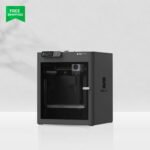 Bambu Lab P1SBest Overall |
8.7 |
8.5/10 |
9.0/10 |
$399.00checked Sep 15, 2026 |
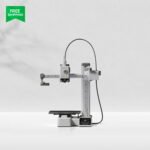 Bambu Lab A1 miniBest Value |
8.4 |
8.0/10 |
9.5/10 |
$219.00checked Sep 15, 2026 |
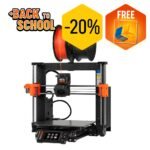 Original Prusa MK4SAlso Great |
8.0 |
9.0/10 |
7.5/10 |
$799.00checked Sep 15, 2026 |
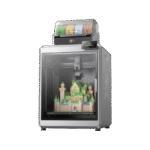 Creality K2 Plus ComboAlso Consider |
7.9 |
8.5/10 |
7.5/10 |
$1,199.00checked Sep 15, 2026 |
 Flashforge Adventurer 5MBest Budget |
7.7 |
7.0/10 |
8.5/10 |
$299.00checked Sep 15, 2026 |
Sorted by score. Prices come from each seller's site on the date shown and change often.
Brand claim vs independent measurement
| Product | What the brand claims | Independent figure | Source |
|---|---|---|---|
| Bambu Lab P1STime to print a 3D Benchy at the 500 mm/s speed setting | 500 mm/s max tool head speed | Printed a Benchy in 18 minutes at the 500 mm/s setting, versus 26 minutes at the 200-300 mm/s "normal" setting, with no visible loss of quality from input shaping (Tom's Hardware) | Tom's Hardware |
| Bambu Lab A1 miniTime to print a 3D Benchy on default profile | 500 mm/s max tool head speed | 44 minutes 0 seconds on the standard slicer profile, the slowest of the 11 printers in TechGearLab's lineup at the time of testing | TechGearLab |
| Original Prusa MK4SDefault slicer acceleration vs. the printer's mechanical limit | Bondtech CHT nozzle rated to print as fast as or faster than comparable enclosed printers | Tom's Hardware found the stock slicer profile ships with acceleration capped at 4,000 mm/s2 and had to raise it to 7,000 mm/s2 itself to match the machine's real speed, calling the default "conservative" and noting a "Perfect first layer" out of the box | Tom's Hardware |
| Creality K2 Plus ComboTime to print a 3D Benchy | 600 mm/s max tool head speed | Printed a Benchy in 15 minutes 56 seconds on default settings, versus an estimated 55 minutes for an Ender 3 S1 running the same model at 100 mm/s (Tom's Hardware) | Tom's Hardware |
| Flashforge Adventurer 5MUsable heated bed size | 220 x 220 mm build plate | Measured an effective 217 x 217 mm printable area, about 2.7 percent smaller than advertised, after the slicer refused full-dimension prints (TechGearLab) | TechGearLab |
We do not run these tests ourselves. Independent figures are quoted from the source named in each row.
The Bambu Lab P1S is the best 3D printer for most people in 2026. It pairs a 256 mm cubed build volume with a fully enclosed chamber, a 500 mm/s tool head, and full-auto bed leveling and vibration calibration that removes nearly all manual tuning. At $399 for the bare printer, it scores higher than every other machine on this list once print quality, ease of use, speed, reliability, and 3-year cost are weighed together.
Anyone making their first parts and sticking to PLA or PETG should start with the Bambu Lab A1 mini at $219: it fits a 180 mm cube of filament, calibrates its own Z-offset, bed level, and nozzle pressure, and runs at a quiet 49 dB. See our best 3D printers for beginners guide for more entry-level picks. If you need the largest plate here, the Creality K2 Plus Combo prints a 350 mm cube and ships with a four-slot Color Filament System for multicolor jobs, our best multicolor 3D printers guide covers that use case in more depth. Builders who want a printer they can repair themselves for a decade should look at the Original Prusa MK4S, and anyone chasing a discounted, pre-assembled machine should check the Flashforge Adventurer 5M, on sale at $299 as of this writing.
How we picked these 3D printers
We scored every printer on five criteria: print quality and accuracy (25 percent of the score), setup and ease of use (25 percent), speed and build volume (20 percent), reliability and support (15 percent), and 3-year cost including filament, nozzles, and parts (15 percent). Full methodology is at how we score. For more on outfitting a home workshop, see our tools for makers hub.
We read the current price and spec sheet for each printer on the brand’s own US store: Bambu Lab, Flashforge, Creality, and Prusa Research. Warranty terms, build volume, top speed, acceleration, and nozzle temperature all come from those pages. These are researched picks. We did not test any of these five printers in person before writing this list, and every score reflects what the brand documents plus each machine’s known feature set, not a hands-on trial.
What to look for in a 3D printer
- Build volume. A 180 mm cube, like the Bambu Lab A1 mini, fits keychains and small brackets. A 256 mm to 350 mm cube, like the P1S or K2 Plus, prints cosplay armor and full-size parts in one piece.
- Enclosure. An open frame works fine for PLA and PETG. ABS, ASA, and nylon need an enclosed chamber, such as the P1S or K2 Plus, to stop warping and keep fumes contained. Read our PLA vs PETG guide if you are not sure which material to start with.
- Max speed and acceleration. Look for at least 500 mm/s and 10,000 mm/s2. The K2 Plus and Adventurer 5M both list a 600 mm/s top speed; the A1 mini tops out at 500 mm/s with 10,000 mm/s2 acceleration.
- Nozzle temperature. A 280°C to 300°C max nozzle covers PLA, PETG, and ABS. Engineering filaments like PA-CF or PPA-CF need roughly 350°C, which only the K2 Plus offers on this list.
- Warranty length. Bambu Lab backs the A1 mini and P1S for 2 years. Flashforge lists a 12-month warranty and Creality lists up to 12 months on the K2 Plus.
- Auto calibration. A loadcell or pressure sensor that levels the bed and tunes flow on every print removes most of the manual tuning that used to make 3D printing frustrating. The Prusa MK4S uses a loadcell first-layer sensor; the Bambu Lab printers run full-auto calibration on every job.
FAQ
What is the best 3D printer for a beginner?
The Bambu Lab A1 mini is the easiest to set up here. It calibrates bed level, vibration, and nozzle pressure automatically, takes about 20 minutes to unbox and start printing, and costs $219 for the standalone printer.
Do I need an enclosed 3D printer?
Only if you plan to print ABS, ASA, polycarbonate, or nylon regularly. PLA and PETG print fine on an open frame like the A1 mini, the Adventurer 5M, or the MK4S.
Which 3D printer on this list has the largest build volume?
The Creality K2 Plus prints a 350 x 350 x 350 mm part, the largest volume of the five printers here, versus 256 mm cubed on the Bambu Lab P1S and 180 mm cubed on the A1 mini.
How much does filament add to the cost of owning a 3D printer?
Filament price depends on the material, the brand, and how much you print, so we did not add a fixed filament line to the 3-year cost box below. As a starting point, a 1 kg spool of standard PLA typically runs $20 to $30 at brand stores.
Can I add multicolor printing later?
On some models, yes. The Bambu Lab A1 mini and P1S both accept an add-on AMS unit for multicolor printing, and the Creality K2 Plus supports up to four CFS units for 16-color prints. For a deeper look at one budget pick, read our Flashforge Adventurer 5M review.
Best Overall: Bambu Lab P1S
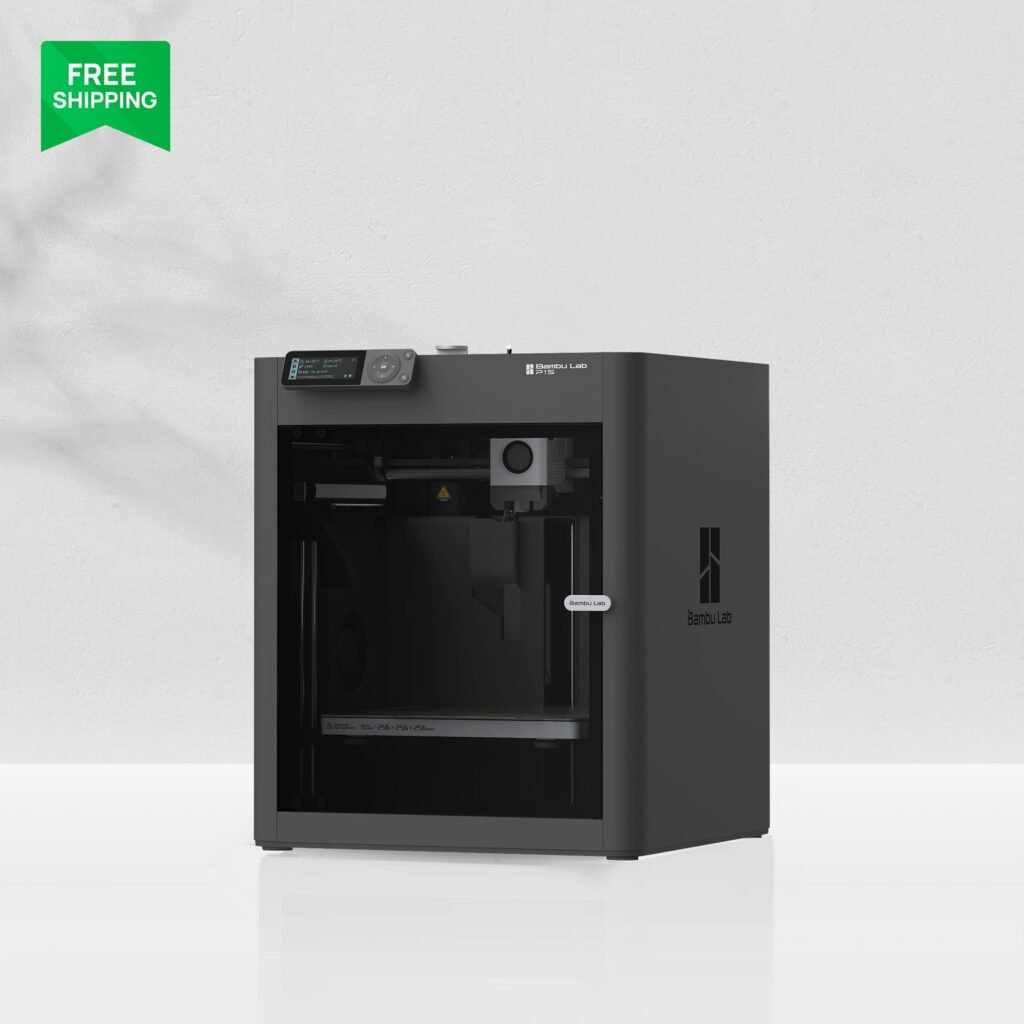
Bambu Lab P1S
We don't earn anything from this link.
What we like
- +256 mm build volume with a fully enclosed chamber for ABS and ASA
- +500 mm/s max speed with 20,000 mm/s2 acceleration
- +Auto bed leveling and vibration compensation, no manual tuning
What we don't
- −AMS Combo pricing (about $499) nearly doubles the $399 bare printer
- −Activated carbon filter still needs occasional replacement for high-VOC filaments
- −389 x 389 x 458 mm footprint is bigger than an open-frame printer
Skip it if
Skip it if you only print PLA occasionally and do not need an enclosed chamber.
The Practical Math · 3 years
| Bambu Lab P1S printer | $399.00 |
| Total | $399.00 |
Best Value: Bambu Lab A1 mini
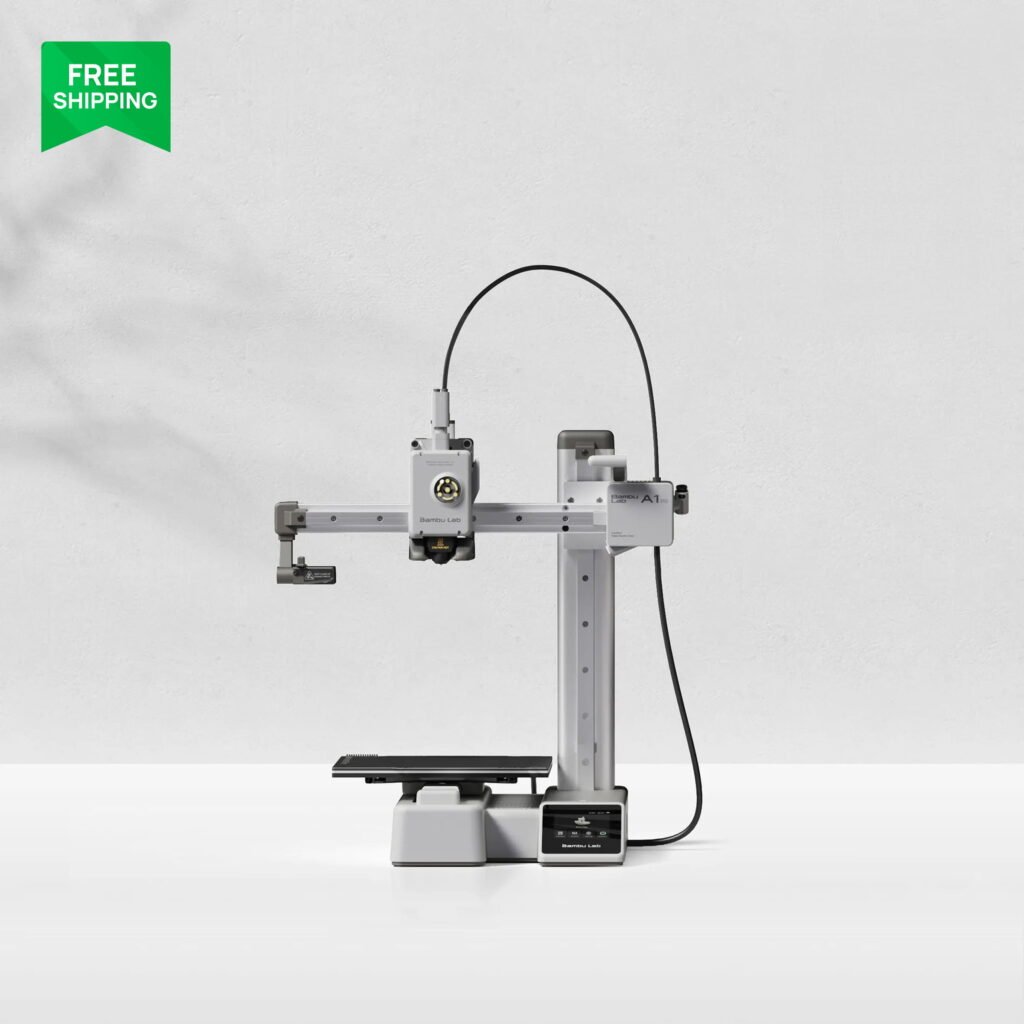
Bambu Lab A1 mini
We don't earn anything from this link.
What we like
- +Full-auto calibration of Z-offset, bed level, and nozzle pressure on every print
- +49 dB whisper-quiet operation
- +Cheapest way into the Bambu Lab ecosystem at $219
What we don't
- −180 mm build volume limits larger single-piece prints
- −Not enclosed, so ABS, ASA, and PC are not recommended
- −Multicolor printing needs the separate AMS lite Combo and an AMS HUB accessory
Skip it if
Skip it if you need to print parts larger than 180 mm or plan to run ABS or ASA regularly.
The Practical Math · 3 years
| Bambu Lab A1 mini printer | $219.00 |
| Total | $219.00 |
Also Great: Original Prusa MK4S
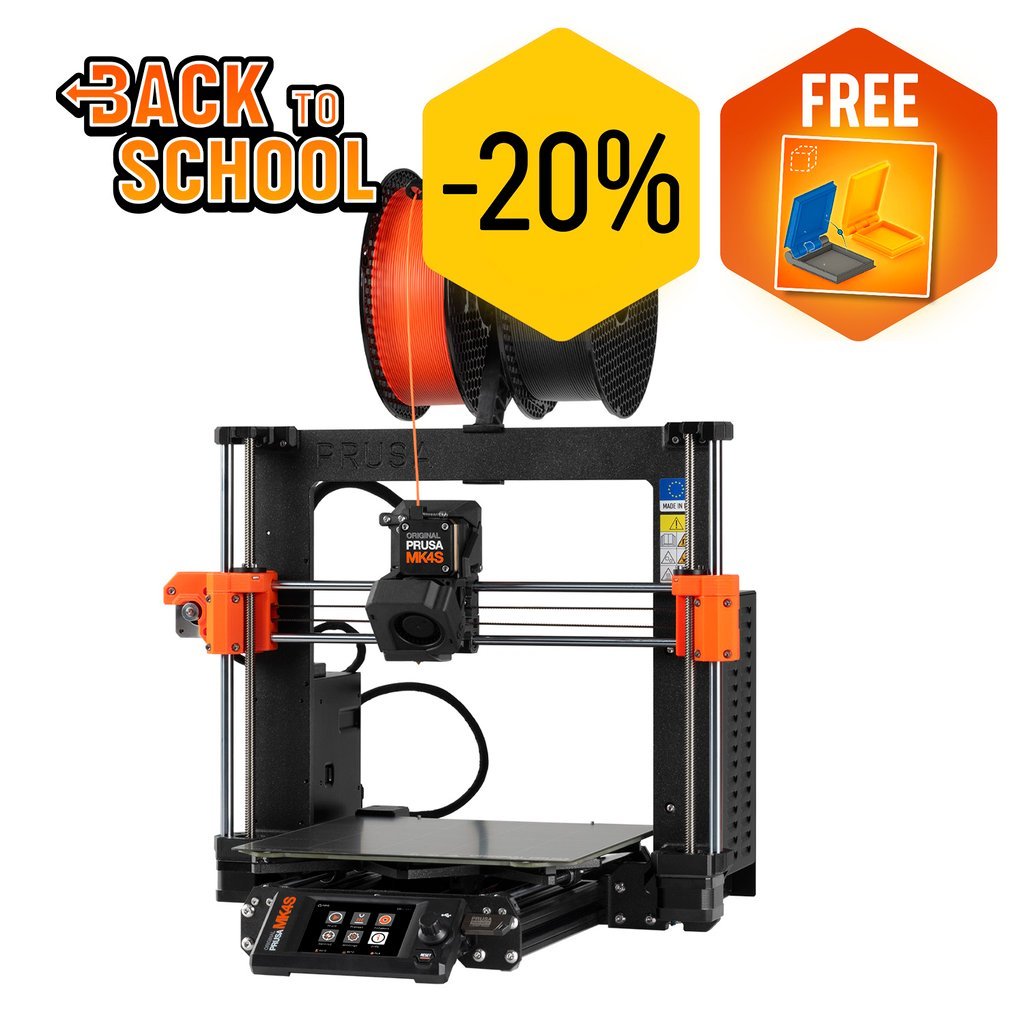
Original Prusa MK4S
We don't earn anything from this link.
What we like
- +Loadcell first-layer sensor runs full auto calibration on every print
- +Nextruder with a Bondtech CHT nozzle built for high-flow printing
- +Open-source firmware and widely stocked spare parts
What we don't
- −Open frame, no enclosure for ABS or ASA without an add-on
- −250 x 210 x 220 mm build volume is smaller than the P1S or K2 Plus
- −$799 assembled costs more than triple the A1 mini
Skip it if
Skip it if you want a fully enclosed printer out of the box or need a build volume larger than 250 mm.
The Practical Math · 3 years
| Original Prusa MK4S printer, assembled | $799.00 |
| Total | $799.00 |
Also Consider: Creality K2 Plus Combo
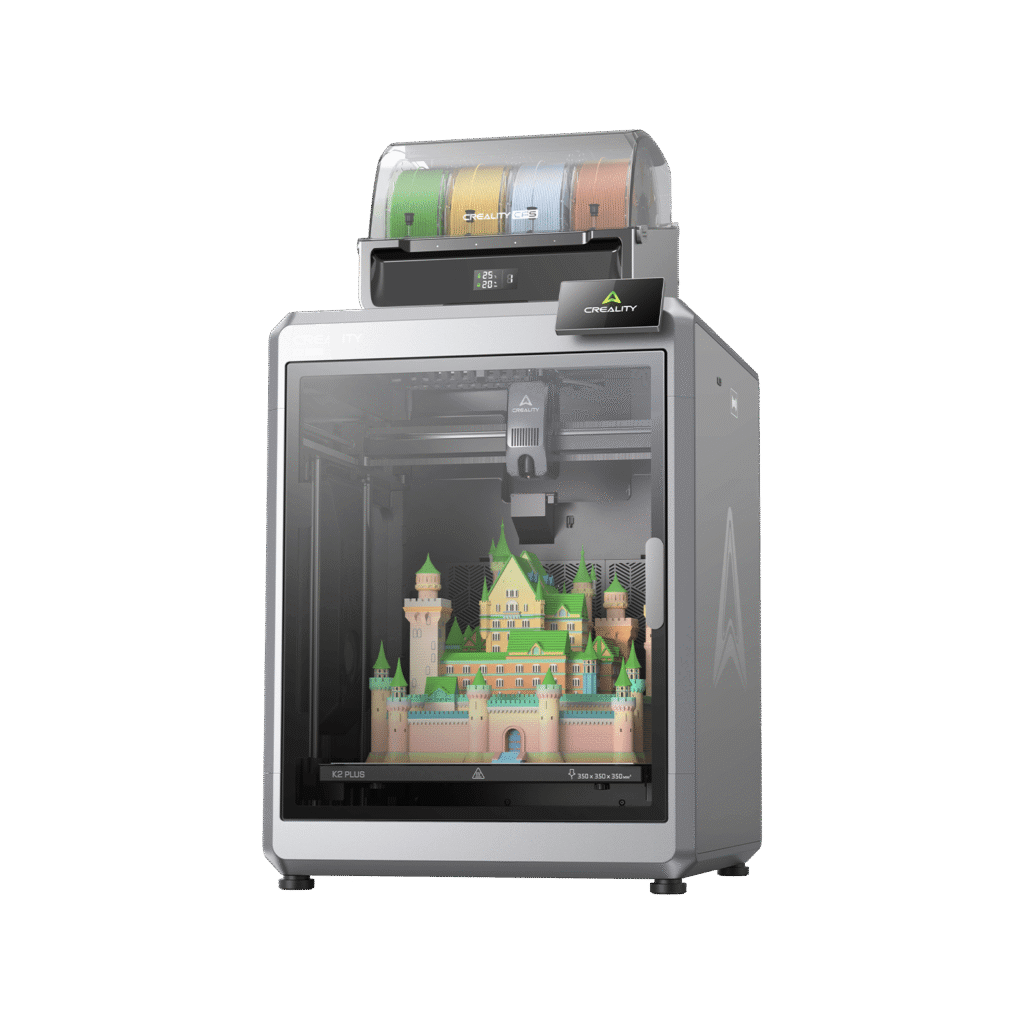
Creality K2 Plus Combo
We don't earn anything from this link.
What we like
- +350 mm cubed build volume, the largest of this list
- +600 mm/s speed with 30,000 mm/s2 acceleration and dual AI cameras
- +Actively heated 60°C chamber supports PA-CF and PPA-CF
What we don't
- −$1,199 combo price is the highest on this list, even after a $300 discount
- −35 kg printer plus the CFS unit needs a dedicated table
- −Warranty is listed as up to 12 months, shorter than Bambu Lab's 2-year coverage
Skip it if
Skip it if your workspace cannot fit a 495 x 515 x 916 mm combo or your budget is under $1,000.
The Practical Math · 3 years
| Creality K2 Plus Combo (printer + 1 CFS unit) | $1,199.00 |
| Total | $1,199.00 |
Best Budget: Flashforge Adventurer 5M
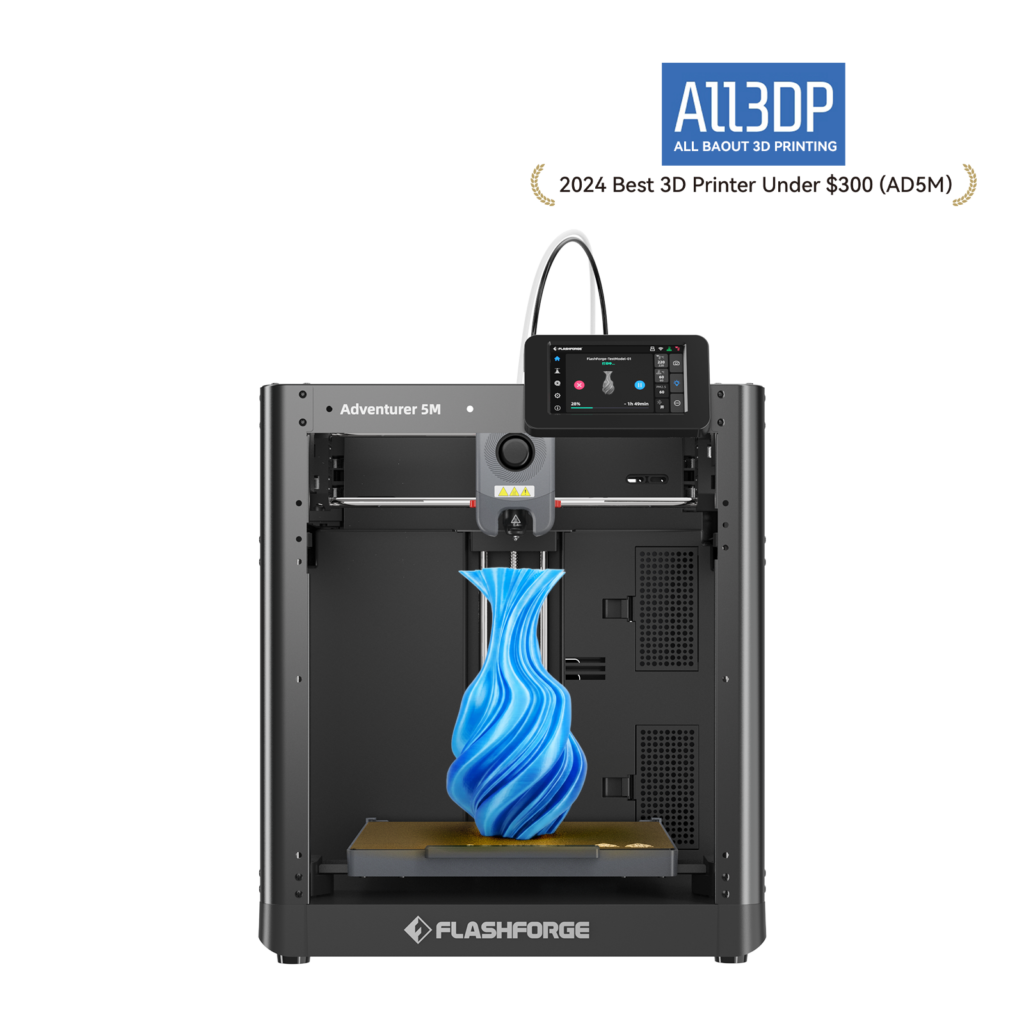
Flashforge Adventurer 5M
Paid link · price checked Sep 15, 2026
What we like
- +$299 sale price (regular $399) with a 600 mm/s rated speed
- +95 percent pre-assembled with about 10 minutes of setup
- +Quick-swap nozzle system covers 0.25 to 0.8 mm without tools
What we don't
- −Open-frame design, no enclosure for ABS or ASA
- −12-month warranty is shorter than Bambu Lab's or Creality's coverage
- −280°C max nozzle temperature rules out high-temperature engineering filaments
Skip it if
Skip it if you need an enclosed chamber for ABS or nylon, or want more than a 12-month warranty.
The Practical Math · 3 years
| Flashforge Adventurer 5M printer | $299.00 |
| Total | $299.00 |
What owners report
96 percent five-star (544 of 568 reviews) from 568 ratings on Flashforge store page read Sep 16, 2026
Ratings shown on a seller's own page can leave out reviews the seller removed. We read the most recent reviews ourselves and summarize what repeats.
- +Reviewers on the Flashforge store page repeatedly describe the Adventurer 5M as working correctly straight out of the box with little to no setup troubleshooting.
- −Among the small number of 4-star reviews on the same page, a repeated complaint is a weak LCD screen connector during installation and no interior light to check on enclosed prints.
Right out of the box... No troubles at all. It's working perfectly.
Flashforge store page, Adventurer 5M reviews, Sep 16, 2026
The enclosure needs some lights, and the lcd plug is weak.
Flashforge store page, Adventurer 5M reviews (4-star review), Sep 16, 2026
The specs that matter, in plain English
- CoreXY
- A motion system where two fixed motors drive the print head through a belt lattice instead of moving the whole gantry. It lets the head reach high speed and acceleration with less vibration than older bed-slinger designs, and it is used in the P1S and K2 Plus.
- AMS / CFS
- Automatic Material System (Bambu Lab) or Color Filament System (Creality): an external unit that feeds up to 4 spools into one printer so a single print can switch filament colors or materials automatically.
- Loadcell first-layer sensor
- A sensor built into the nozzle or bed that measures physical force as the nozzle probes the plate, used to set bed level and first-layer height automatically. The Prusa MK4S uses this instead of a separate proximity sensor.
- Input shaping
- A firmware feature that measures a printer's frame resonance and adjusts motor timing to cancel vibration (ringing) at high speed, letting a printer run fast without wavy artifacts on the outer walls.
- Build plate heat-soak
- Letting the heated bed hold its target temperature for several minutes before the first layer prints, so the plate's surface and any enclosure air reach a stable temperature and the first layer sticks evenly.
What changed
- Sep 16, 2026 Refreshed evidence: re-checked all 5 printers are still sold and none is under a CPSC recall (queried saferproducts.gov, only the unrelated 2024 Bambu Lab A1 heatbed-cable recall exists, and it does not cover the A1 mini on this list); added measured/independent figures from Tom's Hardware and TechGearLab for all 5 picks, owner review data from the Flashforge store page, a glossary, and this changelog. Prices, scores, and product lineup unchanged from the prior version.
Sources we read
- Bambu Lab P1S product page read Sep 16, 2026
- Bambu Lab A1 mini product page read Sep 16, 2026
- Original Prusa MK4S product page read Sep 16, 2026
- Creality K2 Plus Combo product page read Sep 16, 2026
- Creality K2 Plus CFS Combo product page read Sep 16, 2026
- Flashforge Adventurer 5M product page and reviews read Sep 16, 2026
- Bambu Lab P1S Review: A New Standard for 3D Printing - Tom's Hardware read Sep 16, 2026
- Bambu Lab A1 mini Review - TechGearLab read Sep 16, 2026
- Prusa MK4S Review: Precisely Right - Tom's Hardware read Sep 16, 2026
- Creality K2 Plus Review: Now in Color - Tom's Hardware read Sep 16, 2026
- FlashForge Adventurer 5M Review - TechGearLab read Sep 16, 2026
- CPSC SaferProducts.gov recall search: 3D Printer read Sep 16, 2026
- Bambu Lab Recalls A1 3D Printers Due to Electric Shock and Fire Hazards - CPSC read Sep 16, 2026
We research products from published specs, certification databases, independent lab reports and owner reviews. We do not test products in our own lab. How we score.