The Best Portable Power Stations of 2026
| Product | Score | Capacity & output(30%) | Recharge speed & solar input(20%) | 3-Year Cost |
|---|---|---|---|---|
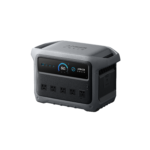 Anker SOLIX C1000 Gen 2 Portable Power StationBest Overall |
8.3 |
7.5/10 |
9.0/10 |
$499.99checked Sep 15, 2026 |
| 8.0 |
7.0/10 |
8.5/10 |
$479.00checked Sep 15, 2026 | |
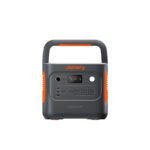 Jackery Explorer 2000 v2 Portable Power StationAlso Consider |
7.7 |
9.5/10 |
6.5/10 |
$999.00checked Sep 15, 2026 |
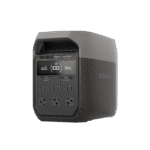 EcoFlow DELTA 3 Portable Power StationAlso Consider |
7.5 |
7.5/10 |
7.5/10 |
$629.00checked Sep 15, 2026 |
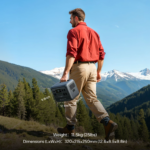
Sorted by score. Prices come from each seller's site on the date shown and change often.
Brand claim vs independent measurement
| Product | What the brand claims | Independent figure | Source |
|---|---|---|---|
| EcoFlow DELTA 3Rated capacity and output vs. independent test-program listing | 1,024Wh / 1,800W (EcoFlow product page) | Consumer Reports lists this unit, as the DELTA 3 Classic (1024Wh) + 220W Solar Panel bundle, in its portable power station test program with the same claimed 1,024Wh/1,800W figures. The recharge-speed and power-delivery lab scores are membership-only as of Sep 16, 2026. | Consumer Reports |
| Anker SOLIX C1000 Gen 2AC recharge time to 100% | 49 minutes at 1,600W UltraFast Charging (Anker's own figure) | No independent recharge-time test from Consumer Reports, RTINGS, or TechGearLab was found for this exact model as of Sep 16, 2026. Consumer Reports' public portable power station category does not list the C1000 Gen 2. | Consumer Reports (checked, model not listed) |
| Bluetti Elite 100 V2Noise level under load | 30 dB under 600W load (Bluetti's own measurement) | No independent decibel measurement from Consumer Reports, RTINGS, or TechGearLab was found for this model as of Sep 16, 2026. | Consumer Reports (checked, model not listed) |
| Jackery Explorer 2000 v2UPS switchover time | Under 20 ms (Jackery's own spec) | No independent UPS-switchover test from Consumer Reports, RTINGS, or TechGearLab was found for this model as of Sep 16, 2026. | Consumer Reports (checked, model not listed) |
| EcoFlow DELTA 3Recall and safety history for this exact model | LiFePO4 cells, no recall issued for the DELTA 3 (EcoFlow product page) | The CPSC's public database shows no recall for the EcoFlow DELTA 3. A related EcoFlow model, the Delta Max 2000 (EFD310), was recalled in October 2025 for overheating and fire risk, so recall status is model-specific within a brand's own lineup. | U.S. CPSC SaferProducts.gov |
We do not run these tests ourselves. Independent figures are quoted from the source named in each row.
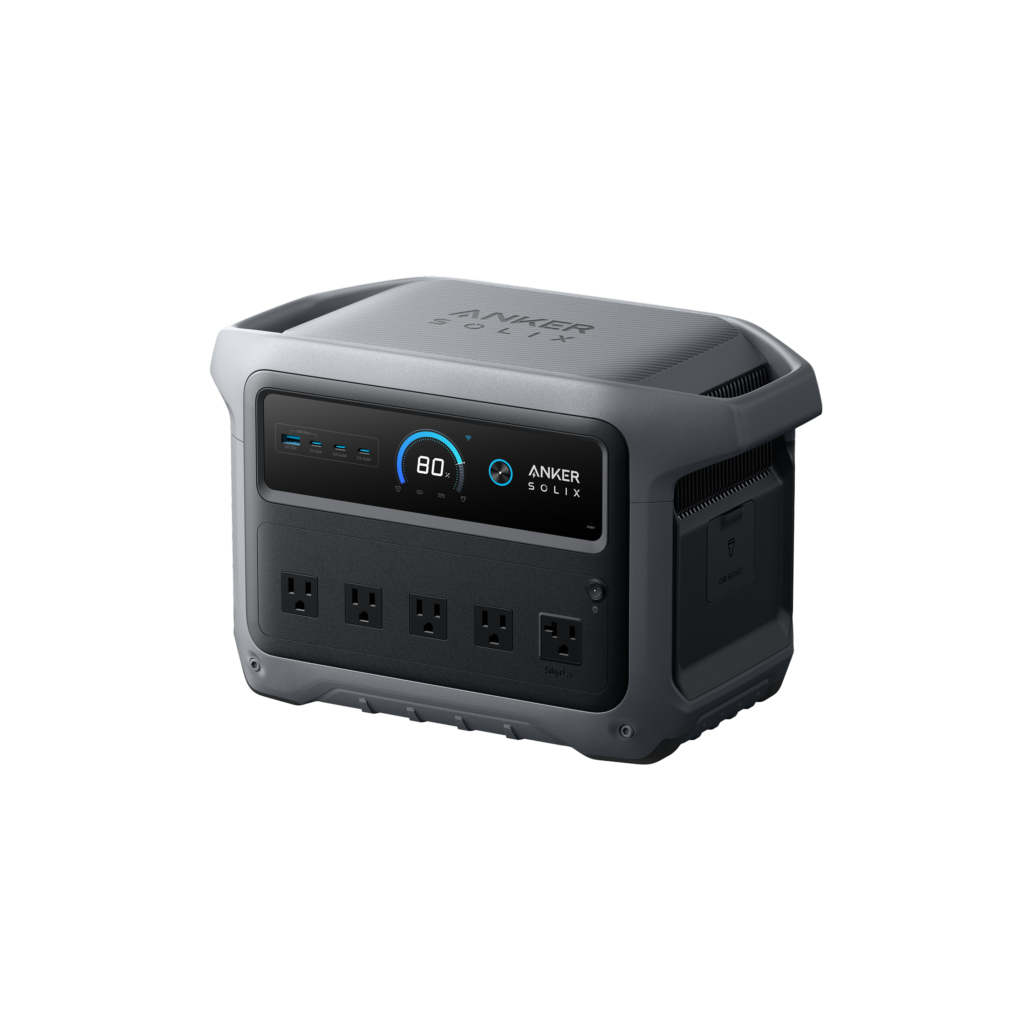
The Anker SOLIX C1000 Gen 2 is the pick for most people. It recharges from empty to full in 49 minutes, weighs 24.9 lb, and undercuts every other 1,024Wh unit on this list at $499.99 on Anker’s own store. These picks come from published specs, the SaferProducts.gov recall database, and named third-party test listings, not a lab this site runs itself; see how we score for the full method.
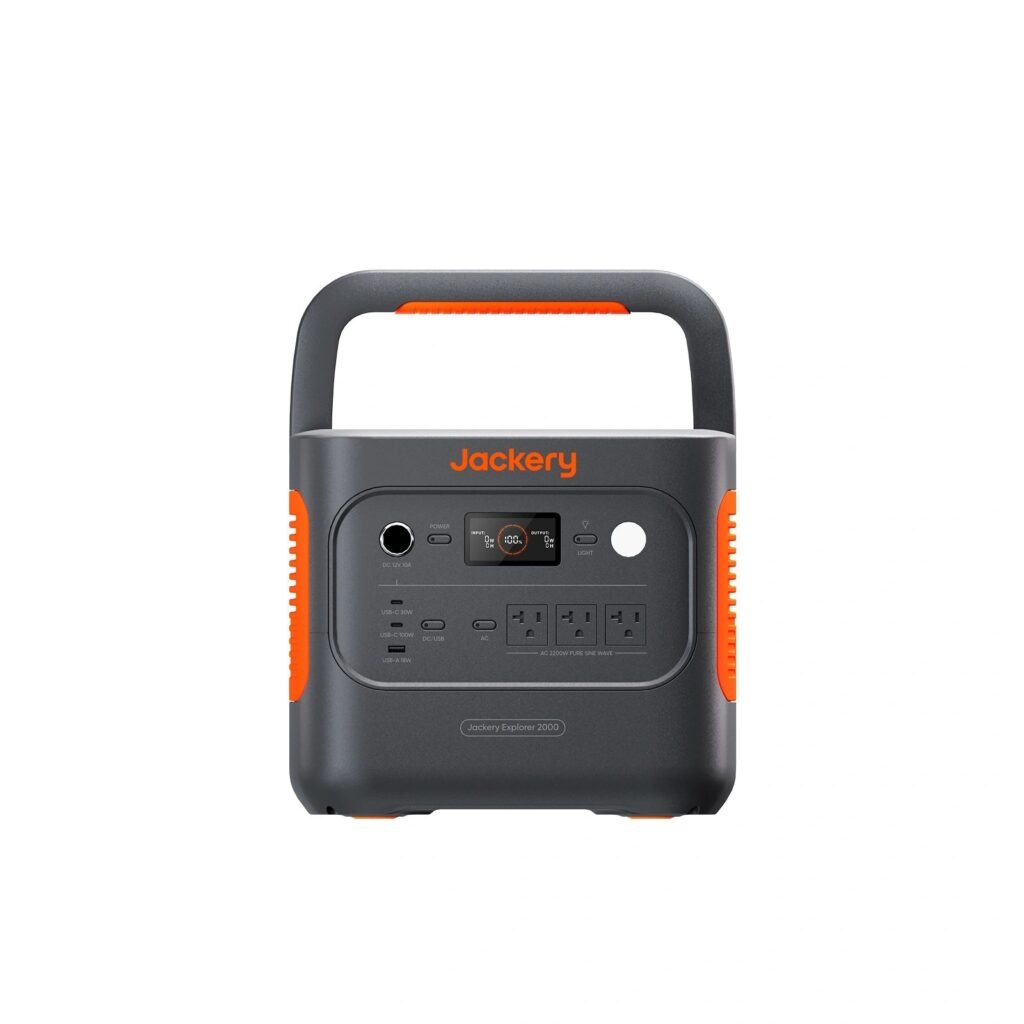
If you need to run a full-size fridge through a multi-day outage, the Jackery Explorer 2000 v2 holds 2,042Wh and pushes 2,200W of continuous power for $999. Buyers who want the lowest price per watt-hour should look at the Bluetti Elite 100 V2 at $479, and anyone who wants the longest stated warranty on paper should check the EcoFlow DELTA 3, which lists a 5-year term at $629. All four run on LiFePO4 (LFP) cells, the chemistry every brand here states for its own product, rated for roughly 4,000 charge cycles to 80% capacity.
How we picked
We scored each unit on five weighted criteria: capacity and output (30%), recharge speed and solar input (20%), battery chemistry and cycle life (15%), weight and ports (15%), and 3-year cost (20%). Every score traces back to a number a brand or a named tester published, not a claim verified on our own bench; these picks are researched from published specs and certification databases, not run through a lab of our own. Read how we score for the full method.
We pulled prices and specs directly from each brand’s own US store: EcoFlow’s DELTA 3 product page, Anker’s SOLIX C1000 Gen 2 product page, Bluetti’s Elite 100 V2 product page, and Jackery’s Explorer 2000 v2 product page. We checked the exact model name and SKU of every finalist against the U.S. Consumer Product Safety Commission’s SaferProducts.gov recall database before it made this list, and we checked Consumer Reports’ portable power station test-program listing for any published independent figures. None of the four finalists carries an open recall as of Sep 16, 2026. Buyers who need a bigger system for a camper or RV can start with our guide to camping power.
What to look for
- Rated continuous output of at least 1,800W. That is the floor for running a full-size refrigerator or a 1,500W space heater without tripping the unit’s own breaker.
- UPS switchover under 20 milliseconds. If you are backing up a CPAP machine, router, or desktop computer, a slower switchover can register as a blip or a reboot.
- LiFePO4 (LFP) battery chemistry rated for 3,000-plus cycles to 80% capacity. All four picks here use LFP; cheaper off-brand units still ship with shorter-lived NMC cells.
- AC recharge under 60 minutes for a 1,000Wh-class unit. The three 1,024Wh picks here range from 45 to 56 minutes; anything much slower makes back-to-back outages harder to plan around.
- Solar input of at least 400W. That is enough to recharge a 1,000Wh-class battery from a single portable panel in a few hours of good sun instead of needing two panels.
- Weight under 30 lb if one person has to carry it. Every unit here that clears 1,800W of output also clears 24 lb; the tradeoff is direct.
FAQ
How long will a portable power station run my refrigerator during an outage?
A typical 1,024Wh unit like the EcoFlow DELTA 3, Anker SOLIX C1000 Gen 2, or Bluetti Elite 100 V2 can run a 100W to 150W refrigerator compressor for roughly 6 to 8 hours of actual cooling time, since compressors cycle on and off rather than draw power constantly. The 2,042Wh Jackery Explorer 2000 v2 roughly doubles that. Actual runtime depends on your fridge’s wattage, which is usually printed on a sticker inside the door.
Is LiFePO4 (LFP) better than NMC battery chemistry for a power station?
For a stationary or semi-portable power station, yes. LiFePO4 cells, the chemistry EcoFlow, Anker, Bluetti, and Jackery each state for these four picks, are rated for around 4,000 charge cycles to 80% capacity, versus roughly 500 to 800 cycles for the NMC cells still used in some cheaper power banks and older power stations. LFP is also more thermally stable, which is part of why it has become the default chemistry in this product category.
Can I fly with a portable power station?
Not in checked luggage, and not in a carry-on if the battery exceeds 160 watt-hours, the FAA and TSA limit for any lithium battery without airline approval. All four power stations in this list are rated between 1,024Wh and 2,042Wh, so none of them qualify for a flight. They are built for car camping, RVs, and home backup, not air travel.
Do portable power stations need maintenance or replacement parts?
No filters or consumables to buy, which is part of why the 3-year cost on these four picks is close to the sticker price alone. The one habit that matters is storage: LFP units, including these four, generally recommend storing at roughly 50 to 80% charge and topping off every 3 to 6 months if the unit sits unused, per each brand’s own product manual.
Are portable power stations covered by product recalls?
Yes, and it is worth checking before you buy. The CPSC recalled the EcoFlow Delta Max 2000 (model EFD310) in October 2025 for overheating, and the Goal Zero YETI 3000X in August 2026 for a circuit board overheating risk. Neither model is on this list. Anker’s recalls in the CPSC database cover PowerCore-branded power banks and Soundcore speakers, not the SOLIX power station line featured here. We checked SaferProducts.gov for every finalist’s exact model name before publishing and will recheck at each price update.
Best Overall: Anker SOLIX C1000 Gen 2 Portable Power Station
Anker SOLIX C1000 Gen 2 Portable Power Station
We don't earn anything from this link.
What we like
- +Recharges 0-100% in 49 minutes at 1,600W, the fastest AC charge in this group
- +Lightest of the 1,024Wh class at 24.9 lb
- +10ms UPS switchover and 10 output ports
What we don't
- −1,024Wh capacity runs out faster than the Jackery on large appliances
- −No stated multi-year consumer warranty term on the product page as of Sep 16, 2026
- −Expansion battery is a separate purchase
Skip it if
Skip it if you need one unit to carry a full-size fridge through a multi-day outage; step up to the Jackery Explorer 2000 v2 instead.
The Practical Math · 3 years
| Unit price (one-time; no consumables) | $499.99 |
| Total | $499.99 |
Best Value: Bluetti Elite 100 V2 Portable Power Station
Bluetti Elite 100 V2 Portable Power Station
We don't earn anything from this link.
What we like
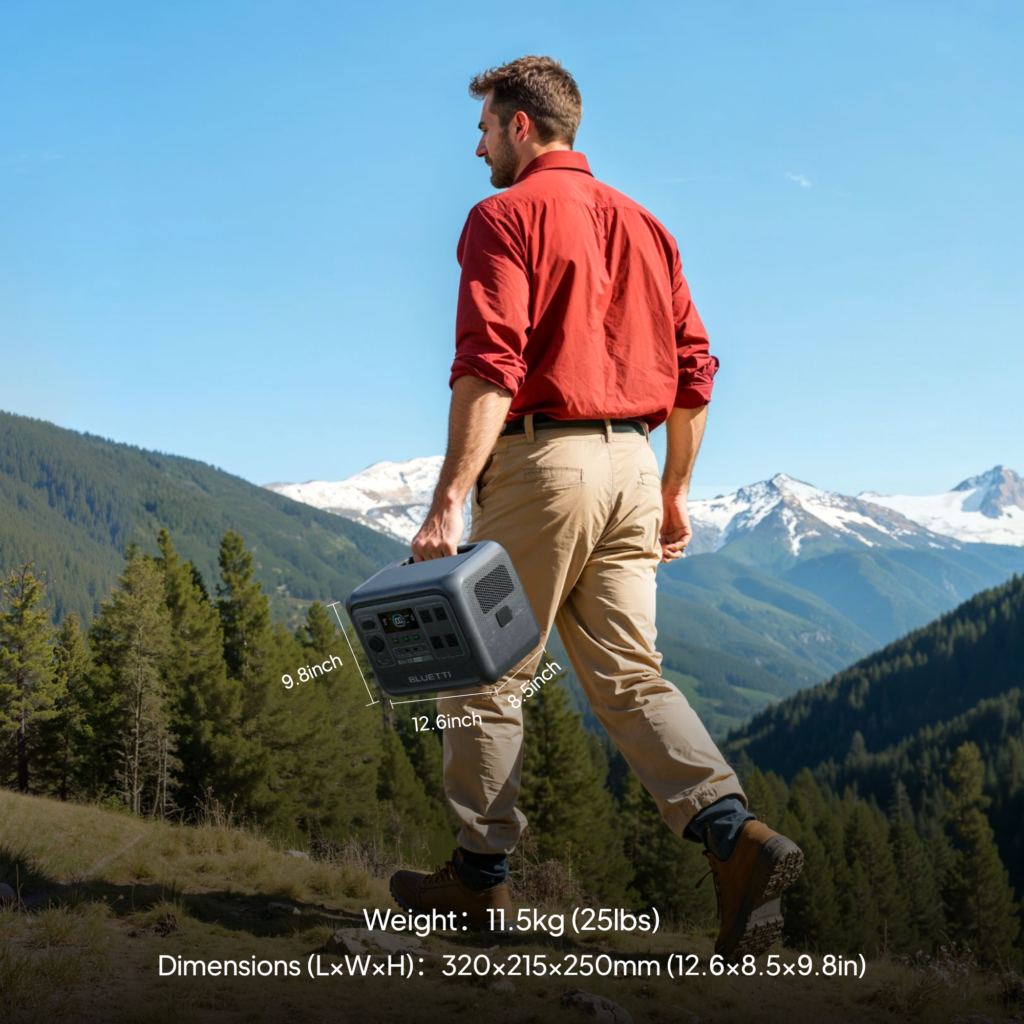
- +Lowest price per watt-hour in this lineup at $479 for 1,024Wh
- +1,000W max solar input, the highest of the group, for a 70-minute full solar charge
- +11 output ports, the most of any pick here
What we don't
- −1,800W rated output is the lowest ceiling in this group
- −The 45-minute AC figure only reaches 80%, not a full charge
- −No stated multi-year consumer warranty term on the product page as of Sep 16, 2026
Skip it if
Skip it if a fast full AC recharge matters more than price; the Anker reaches 100% in less time.
The Practical Math · 3 years
| Unit price (one-time; no consumables) | $479.00 |
| Total | $479.00 |
Also Consider: Jackery Explorer 2000 v2 Portable Power Station
Jackery Explorer 2000 v2 Portable Power Station
We don't earn anything from this link.
What we like
- +2,042Wh capacity, about double the other picks, for whole-day backup
- +2,200W continuous output (4,400W surge) runs larger appliances directly
- +Explicit 3-plus-2-year warranty (5 years total) stated on the product page
What we don't
- −39.5 lb, the heaviest unit here by a wide margin
- −DC/solar input tops out around 400W combined, slower solar charging than the smaller units
- −$999 is the highest sticker price in this lineup
Skip it if
Skip it if you mainly need to top off phones and a router; the smaller, lighter 1,024Wh units cost less and pack away easier.
The Practical Math · 3 years
| Unit price (one-time; no consumables) | $999.00 |
| Total | $999.00 |
Also Consider: EcoFlow DELTA 3 Portable Power Station
EcoFlow DELTA 3 Portable Power Station
We don't earn anything from this link.
What we like
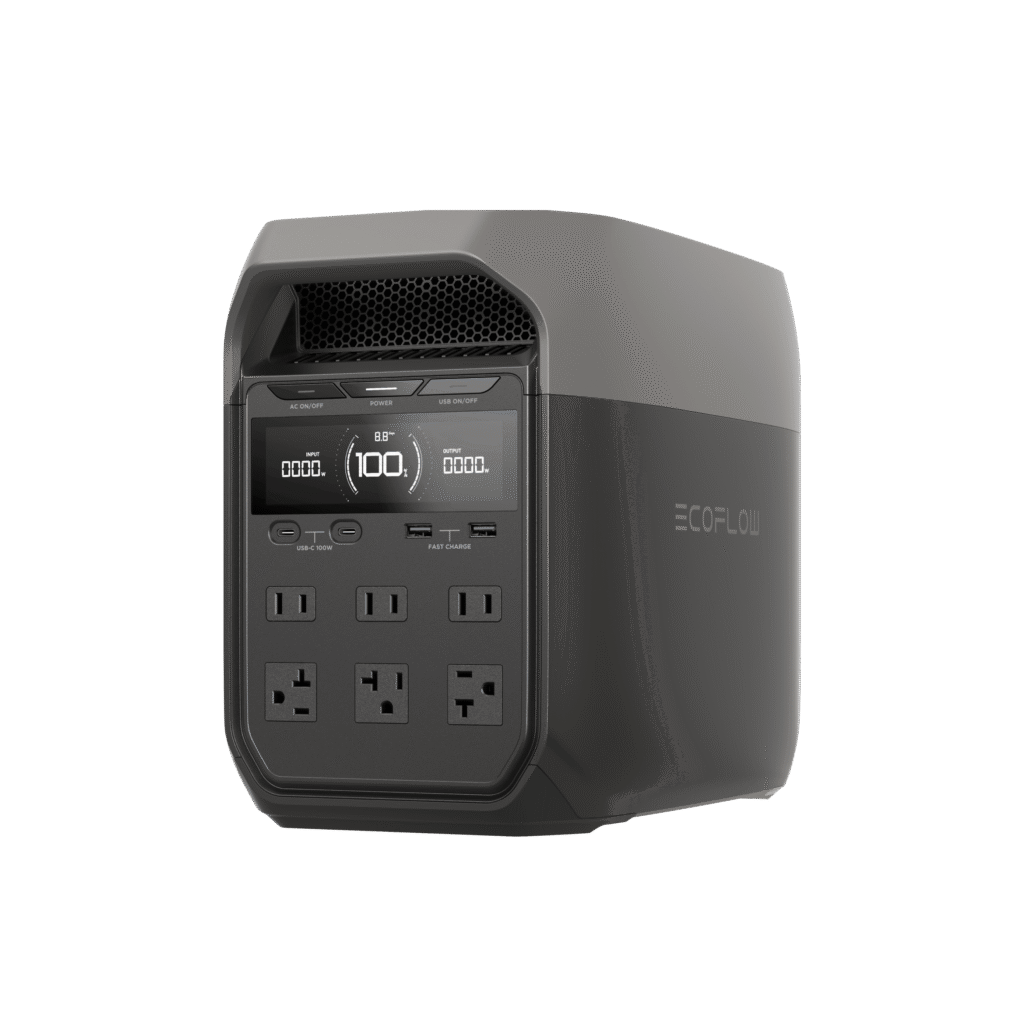
- +Explicit 5-year warranty stated on the product page
- +13 total output ports, more than any other pick here
- +X-Boost pushes continuous output to 2,200W for high-draw tools
What we don't
- −Priciest of the three 1,024Wh units at $629
- −56-minute AC recharge is the slowest of the 1,024Wh trio
- −27.6 lb is the heaviest of the three similarly sized units
Skip it if
Skip it if price per watt-hour is your main filter; the Bluetti and Anker both undercut it at the same capacity.
The Practical Math · 3 years
| Unit price (one-time; no consumables) | $629.00 |
| Total | $629.00 |
What owners report
4.8 of 5 from 337 ratings on Jackery brand page (jackery.com), labeled as seller-hosted reviews read Sep 16, 2026
Ratings shown on a seller's own page can leave out reviews the seller removed. We read the most recent reviews ourselves and summarize what repeats.
- +Several recent verified-purchase reviews on the brand page describe the Explorer 2000 v2 charging to full in under 2 hours and running CPAP machines, oxygen concentrators, or 12V fridges through an outage or camping trip without issue.
- −One recent review describes the DC output ports shutting off immediately when trying to charge a phone right out of the box, and reports that Jackery support asked for the unit back rather than troubleshooting remotely.
Have only had the Jackery Explorer 2000 v2 for a couple of weeks but so far, I am very satisfied with it. It charges in under 2 hrs. as advertised and appears to be well made.
Jackery brand page, verified-purchase review, undated on page, read Sep 16, 2026
Tried to use the DC outlets to charge my cell phone and it shutoff right away. Tried several times and nothing? Called Jackery and they want the unit back!
Jackery brand page, verified-purchase review, undated on page, read Sep 16, 2026
The specs that matter, in plain English
- LiFePO4 (LFP)
- Lithium iron phosphate, a lithium-ion battery chemistry used in all four picks here. It trades a little energy density for roughly 4,000 charge cycles to 80% capacity and better thermal stability than older NMC cells.
- UPS switchover time
- How long a power station takes to switch from wall power to battery power when the grid drops. A shorter switchover, under 20 milliseconds on these picks, keeps sensitive electronics like a CPAP machine or a desktop computer from rebooting.
- MPPT
- Maximum power point tracking, the charge-controller technology that lets a power station pull the most usable wattage from a solar panel as sunlight conditions change through the day.
- Surge (peak) output
- The brief, higher wattage a power station can supply for a few seconds when a motor or compressor first kicks on, before settling to its lower continuous rated output.
- Cycle life
- The number of full charge-and-discharge cycles a battery can handle before its capacity drops to a stated threshold, usually 80%. All four picks here are rated for around 4,000 cycles.
What changed
- Mar 18, 2026 First published with prices checked on this date.
- Sep 16, 2026 Prices and recalls re-checked.
Sources we read
- EcoFlow DELTA 3 Portable Power Station product page read Sep 16, 2026
- Anker SOLIX C1000 Gen 2 Portable Power Station product page read Sep 16, 2026
- Anker SOLIX support: What battery does Anker SOLIX C1000 Gen 2 use? read Sep 16, 2026
- Bluetti Elite 100 V2 Portable Power Station product page read Sep 16, 2026
- Jackery Explorer 2000 v2 Portable Power Station product page read Sep 16, 2026
- Consumer Reports: EcoFlow DELTA 3 Classic (1024Wh) + 220W Solar Panel review read Sep 16, 2026
- Consumer Reports: Portable Power Stations ratings category read Sep 16, 2026
- CPSC SaferProducts.gov recall query: EcoFlow read Sep 16, 2026
- CPSC SaferProducts.gov recall query: Anker read Sep 16, 2026
- CPSC SaferProducts.gov recall query: Bluetti read Sep 16, 2026
- CPSC SaferProducts.gov recall query: Jackery read Sep 16, 2026
- CPSC SaferProducts.gov recall query: power station read Sep 16, 2026
- CPSC SaferProducts.gov recall query: portable power read Sep 16, 2026
We research products from published specs, certification databases, independent lab reports and owner reviews. We do not test products in our own lab. How we score.