The Best Electric Bikes of 2026
| Product | Score | Rated range & battery(25%) | Motor & hill power(20%) | 3-Year Cost |
|---|---|---|---|---|
 Lectric XPeak 2.0 High-StepBest Overall |
8.4 |
8.5/10 |
8.5/10 |
$1,443.68checked Sep 15, 2026 |
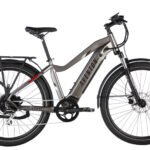 Aventon Level.2Best Value |
7.9 |
8.0/10 |
6.5/10 |
$1,540.71checked Sep 15, 2026 |
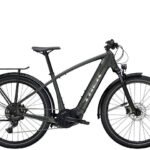 Trek Allant+ 7 Gen 2Also Consider |
7.9 |
7.0/10 |
9.5/10 |
$3,331.02checked Sep 15, 2026 |
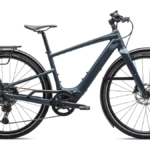 Specialized Turbo Vado SL 2 5.0Also Consider |
7.6 |
8.5/10 |
7.0/10 |
$3,332.26checked Sep 15, 2026 |
 Ride1Up Revv1 HTAlso Consider |
7.5 |
7.0/10 |
8.0/10 |
$1,943.40checked Sep 15, 2026 |
Sorted by score. Prices come from each seller's site on the date shown and change often.
Brand claim vs independent measurement
| Product | What the brand claims | Independent figure | Source |
|---|---|---|---|
| Lectric XPeak 2.0Real-world range across assist levels | Up to 60 miles | 44 miles at PAS 5 (max assist) up to 62 miles at PAS 1 (min assist) on flat terrain | Electric Bike Review |
| Aventon Level.2Real-world range and throttle-only range | Up to 60 miles | About 60 miles under typical mixed pedal-assist use, and about 30 miles on throttle only | Trail and Kale |
| Specialized Turbo Vado SL 2 5.0Range in Eco vs Turbo assist mode | Specialized does not publish a fixed mile figure per assist mode for this model | 103 miles in Eco mode and 35 miles in Turbo mode, tested on the Vado SL 2 6.0, which shares the same SL 1.2 motor and 520 Wh battery as the 5.0 | Electric Bike Review |
We do not run these tests ourselves. Independent figures are quoted from the source named in each row.
Buy the Lectric XPeak 2.0 ($1,399) first if you want the most electric bike for the money in 2026. It pairs an 85 Nm torque-sensing motor with a 720 Wh battery, hydraulic brakes with a 203mm front rotor, and UL 2849 plus UL 2271 certification, the same electrical safety standard New York and California now require for e-bikes sold in those states. Independent testing by Electric Bike Review found 44 to 62 miles of real range depending on assist level, close to Lectric’s own 60 mile claim. Weighted across range, motor power, safety, service, and three year cost, it scores 8.4 out of 10, the highest of the five bikes in this guide.
Pick the Aventon Level.2 ($1,499) instead if your ride is mostly pavement and you want the lowest three year cost that still comes with a 2 year comprehensive warranty and more than 1,800 dealer locations. Choose the Trek Allant+ 7 Gen 2 ($3,299.99) if hills are the real problem: its Bosch Performance Line CX motor is a mid-drive, not a hub motor, and Trek backs it with a lifetime frame warranty and a large US dealer network. The Specialized Turbo Vado SL 2 5.0 ($3,299.99, marked down from a $4,300 MSRP) is the lightest bike here at 44 lb, useful if you carry it up stairs, and independent testing measured 103 miles of range in Eco mode. The Ride1Up Revv1 HT ($1,895) has the strongest motor torque in this group at 100 Nm and the biggest battery at 780 Wh, built for a rider who wants a moto-style fat-tire bike and does not need a dealer network. These picks come from published specs, the CPSC recall database, and range figures that independent reviewers measured themselves, not from a bike bought and ridden in a lab we run. See how we score.
How we picked
We weighted five criteria: rated range and battery size at 25 percent, motor and hill power at 20 percent, brakes and UL 2849 certification at 20 percent, warranty and service network at 15 percent, and three year cost at 20 percent. Full method at how we score.
We read the current listing on each brand’s own store where one exists: Lectric, Aventon, and Ride1Up, plus an authorized Trek dealer and a major US bicycle retailer for the Specialized, since neither brand’s own product page would load for us outside a full browser session. We cross-checked range, weight, and brake specs against independent reviews from Electric Bike Review and Trail and Kale, queried the CPSC’s SaferProducts.gov recall database for every brand and found no open recall affecting any of these five models, and confirmed UL 2849 and UL 2271 status through UL Solutions, TÜV Rheinland, Intertek, and Bicycle Retailer’s trade coverage of each brand’s certification announcement. These are picks built from that published data and from reviewers’ own measured test results, not from bikes we bought and rode ourselves.
What to look for
- UL 2849 certification on the whole electrical system, not just a battery sticker. All five bikes here carry it. New York and California already require it by law, and a growing list of cities restrict uncertified batteries from apartment buildings and offices.
- The class number and its mph cap. Class 1 caps pedal assist at 20 mph with no throttle, Class 2 adds a throttle up to 20 mph, and Class 3 allows pedal assist up to 28 mph. Some bike paths and rail trails ban Class 3 bikes outright, so match the class to where you will actually ride before you buy.
- Battery size in Wh, not just the mile number on the box. Under 500 Wh is a short-range pack built for a light commute; the five bikes here run from 500 Wh up to 780 Wh.
- Motor torque in Nm for hills. Below about 70 Nm, a loaded bike will bog down on grades over 8 percent. The bikes in this guide run from 85 Nm up to 100 Nm, and a mid-drive motor like the Trek’s Bosch system puts that torque through the cranks and gears instead of straight into the rear hub.
- A warranty of at least 2 years, plus a real service network. A 1 year warranty with no dealer, like the Lectric or Ride1Up here, means you are your own mechanic once that year is up.
- Hydraulic disc brakes with at least a 180mm rotor. Every bike in this guide clears that bar; the Ride1Up goes further with 4-piston calipers and a 203mm rotor front and rear.
FAQ
What is UL 2849 and why does it matter for an electric bike?
UL 2849 is an independent safety standard covering an e-bike’s full electrical system, motor, controller, wiring, and charger, not just the battery cells. A related standard, UL 2271, covers the battery pack on its own. Together they are the closest thing the US has to a fire-safety seal for e-bikes, and New York City and California have already written UL 2849 into local law after a string of lithium battery fires. All five bikes in this guide are certified to both standards.
What is the difference between Class 1, 2, and 3 e-bikes?
Class 1 gives pedal assist only, up to 20 mph, with no throttle. Class 2 adds a throttle that also tops out at 20 mph. Class 3 raises pedal assist to 28 mph but usually drops the throttle or limits it to 20 mph. The Trek here ships as Class 1, the Aventon ships as Class 2 and can be unlocked to Class 3 in its settings, and the Lectric and Specialized ship unlocked to Class 3 already. Check local law before you ride a Class 3 bike on a shared path, since several states and cities restrict where it can go.
How much does it cost to charge an electric bike?
At the US average residential rate of about 17 cents per kWh, a full charge of a 700 Wh battery costs about 12 cents. Charged fully once every 3 days, that works out to roughly 365 charges over three years, or about $41 to $48 in electricity for the batteries in this guide, a small fraction of the purchase price.
Do I need a license or insurance to ride an e-bike?
In most US states, Class 1, 2, and 3 e-bikes do not require a driver’s license, registration, or insurance, though rules vary by state and some set a minimum rider age for Class 3 bikes. Check your state’s vehicle code before you buy if you plan to ride a Class 3 bike, since a handful of states regulate it closer to a moped.
How long does an e-bike battery actually last?
Warranty length is the most reliable public signal, since actual cycle life depends on climate, charging habits, and how hard the motor is worked. In this group, Aventon and Specialized back their batteries for 2 years, while Lectric and Ride1Up cover theirs for 1 year. A pack that is kept between 20 and 80 percent charge most of the time and stored somewhere temperate will generally outlast one left to fully drain and fully charge in a hot garage.
Best Overall: Lectric XPeak 2.0 High-Step
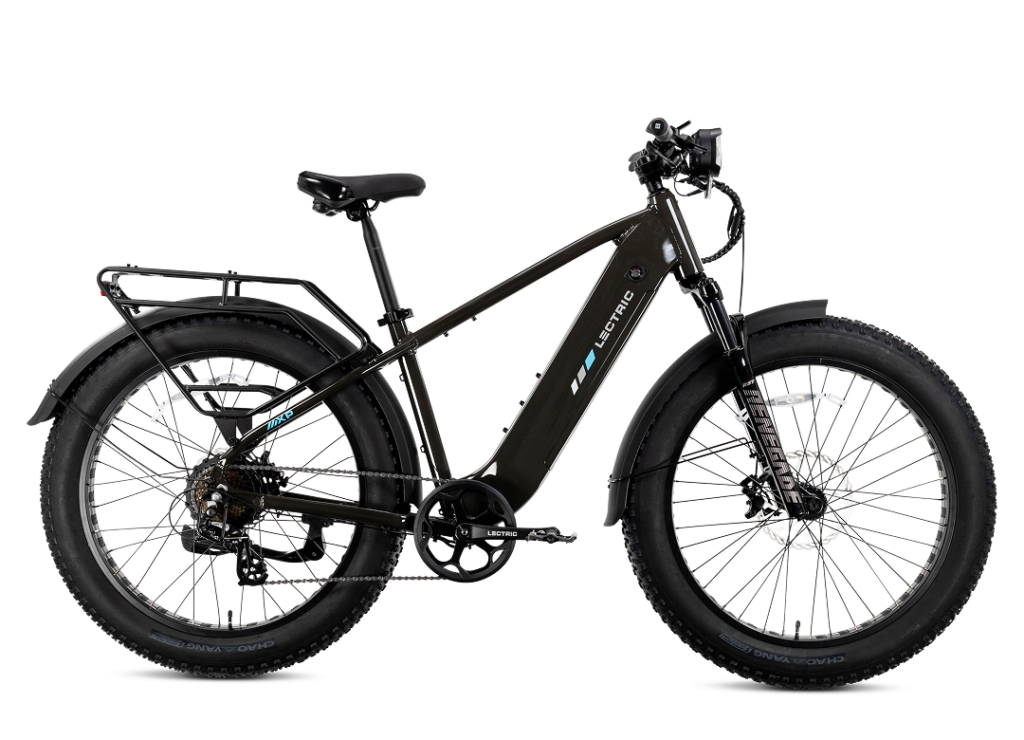
Lectric XPeak 2.0 High-Step
We don't earn anything from this link.
What we like
- +720 Wh battery delivered 44 to 62 miles in Electric Bike Review's own range test, close to Lectric's 60 mile claim
- +85 Nm torque-sensing motor and 4 in fat tires handle loose terrain most commuter e-bikes cannot
- +UL 2849 and UL 2271 certified at the lowest price in this group
What we don't
- −1 year warranty, the shortest of the 5 bikes here
- −No physical dealer network; service runs through Lectric's own support line
- −Electric Bike Review's reviewer noted loud chain slap on rough trails
Skip it if
Skip it if you want a dealer network for in-person service, since Lectric sells direct and its 1 year warranty is shorter than the 2 years or more on the Aventon, Trek, and Specialized.
The Practical Math · 3 years
| Price | $1,399.00 |
| Electricity to recharge the 720 Wh battery, assuming one full charge every 3 days for 3 years (365 charges x 0.72 kWh x $0.17/kWh) | $44.68 |
| Total | $1,443.68 |
Best Value: Aventon Level.2
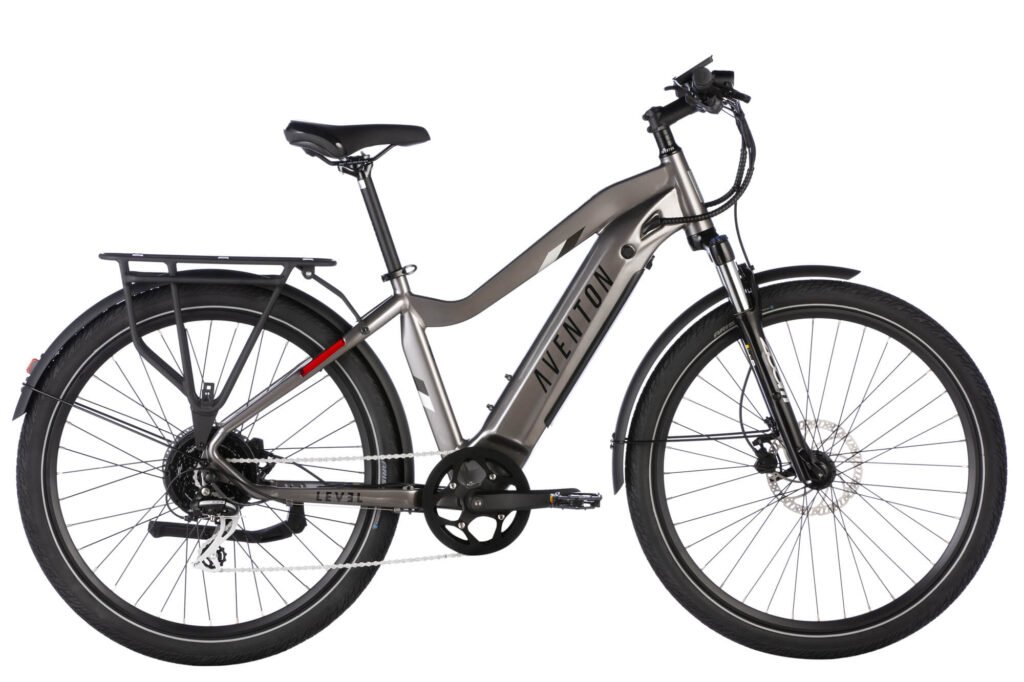
Aventon Level.2
We don't earn anything from this link.
What we like
- +Lowest 3-year cost to own after the Lectric, at about $1,541
- +2 year warranty on frame, components, and battery, plus more than 1,800 dealer locations
- +Trail and Kale's own test found about 60 miles of range, matching Aventon's claim
What we don't
- −500W hub motor with no published torque figure, weaker for steep hills than the Trek's mid-drive
- −Ships as a 20 mph Class 2 bike out of the box; 28 mph pedal assist requires unlocking Class 3 in settings
- −1 and 2-star reviews on Trustpilot repeatedly mention shifting and power-on problems out of the box
Skip it if
Skip it if steep hills are a regular part of your ride, since its hub motor scores lower on motor and hill power here than the Trek's mid-drive.
The Practical Math · 3 years
| Price | $1,499.00 |
| Electricity to recharge the 672 Wh battery, assuming one full charge every 3 days for 3 years (365 charges x 0.672 kWh x $0.17/kWh) | $41.71 |
| Total | $1,540.71 |
Also Consider: Trek Allant+ 7 Gen 2
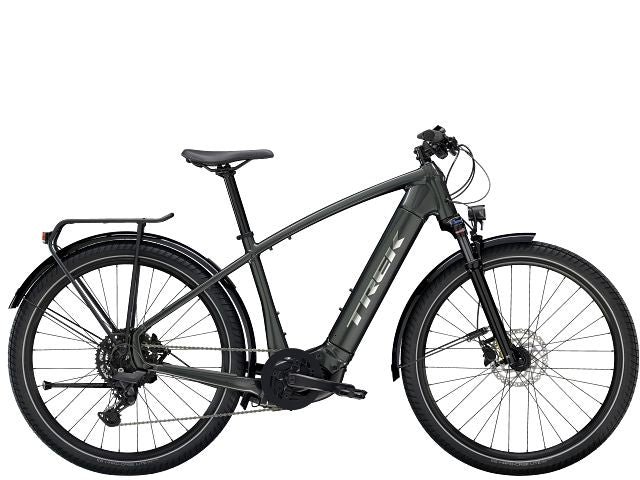
Trek Allant+ 7 Gen 2
We don't earn anything from this link.
What we like
- +Bosch Performance Line CX mid-drive motor, the strongest hill climber here at 85 Nm delivered through the cranks, not the rear wheel
- +Lifetime frame warranty plus Trek's large US dealer network for in-person service
- +Bosch's e-bike electrical system is certified to UL 2849 and UL 2271 by Intertek
What we don't
- −Second-highest 3-year cost to own here, at about $3,331
- −Trek's own product page gives no fixed mile range for this model, only a link to Bosch's online range calculator
- −Capped at 20 mph pedal assist as a Class 1 bike, versus 28 mph on the Lectric, Aventon, and Specialized
Skip it if
Skip it if you want a guaranteed mile range before you buy; Trek does not publish one for this model, only a calculator that depends on rider weight, terrain, and assist level.
The Practical Math · 3 years
| Price | $3,299.99 |
| Electricity to recharge the 500 Wh battery, assuming one full charge every 3 days for 3 years (365 charges x 0.5 kWh x $0.17/kWh) | $31.03 |
| Total | $3,331.02 |
Also Consider: Specialized Turbo Vado SL 2 5.0
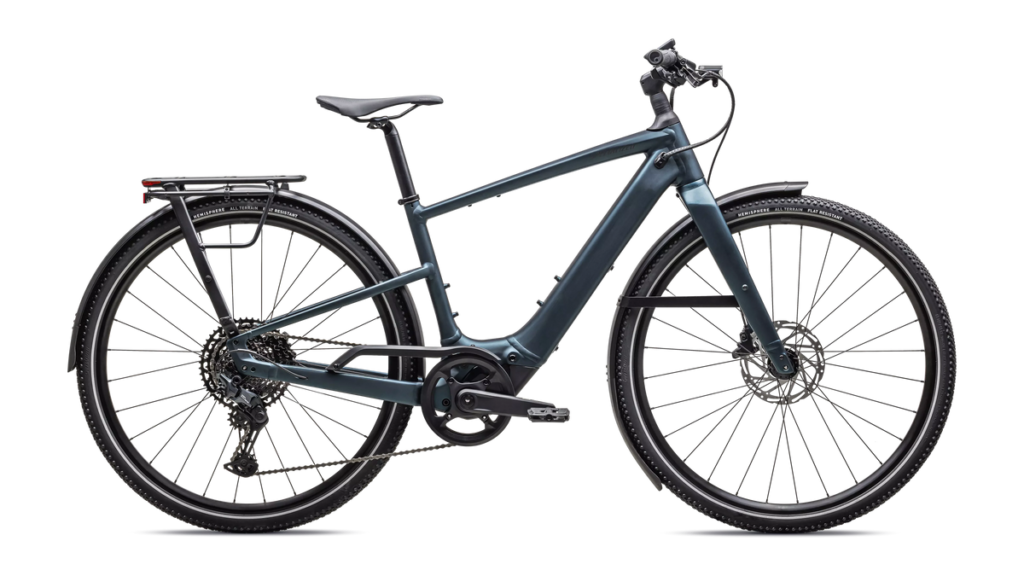
Specialized Turbo Vado SL 2 5.0
We don't earn anything from this link.
What we like
- +Lightest bike in this group at 44 lb, useful for carrying up stairs or loading on a car rack
- +Electric Bike Review's independent test measured 103 miles of range in Eco mode on the same SL 1.2 motor and 520 Wh battery
- +Lifetime frame warranty plus a 2 year motor and battery warranty
What we don't
- −Highest 3-year cost to own in this group, at about $3,332
- −320W motor is the lowest rated power figure here, and the same independent test measured only 35 miles of range in Turbo mode
- −Integrated battery is not swappable like the Lectric, Aventon, or Ride1Up packs
Skip it if
Skip it if you need the longest range on the highest assist setting; the independently measured Turbo-mode figure here is the shortest of any bike in this guide.
The Practical Math · 3 years
| Price | $3,299.99 |
| Electricity to recharge the 520 Wh battery, assuming one full charge every 3 days for 3 years (365 charges x 0.52 kWh x $0.17/kWh) | $32.27 |
| Total | $3,332.26 |
Also Consider: Ride1Up Revv1 HT

Ride1Up Revv1 HT
We don't earn anything from this link.
What we like
- +Strongest motor torque in this group at 100 Nm from its Bafang hub motor
- +Largest battery here at 780 Wh, with an upgrade path to a 20Ah pack
- +4-piston hydraulic brakes with 203mm rotors and an electric cutoff sensor, the strongest brake spec in this guide
What we don't
- −Heaviest bike here at 83 lb
- −1 year warranty and no dealer network, the same tradeoff as the Lectric
- −Ride1Up's own 30 to 60 mile range claim has not yet been checked by an independent reviewer
Skip it if
Skip it if you need a warranty longer than 1 year or a dealer network for repairs; both the Aventon and Trek beat it here.
The Practical Math · 3 years
| Price | $1,895.00 |
| Electricity to recharge the 780 Wh battery, assuming one full charge every 3 days for 3 years (365 charges x 0.78 kWh x $0.17/kWh) | $48.40 |
| Total | $1,943.40 |
What owners report
4.4 of 5 from 6,737 ratings on Aventon Trustpilot reviews (third-party platform, not Aventon's own store page) read Sep 16, 2026
Ratings shown on a seller's own page can leave out reviews the seller removed. We read the most recent reviews ourselves and summarize what repeats.
- +Several recent 5-star reviews single out how solid and expensive the bike feels for the price, and how easy the two-mode assist menu is to learn.
- −A repeated complaint in 1 and 2-star reviews is a bike that will not power on unless the charger stays plugged in, or a derailleur that will not shift correctly out of the box.
Incredible bike- this looks and feels expensive, extremely well made, and rides SO well!
Aventon Trustpilot reviews, Sep 2026
Bike will not turn on unless I plug the charger in every time.
Aventon Trustpilot reviews, Aug 2026
The specs that matter, in plain English
- UL 2849
- An independent safety standard covering an e-bike's full electrical system: motor, controller, wiring, and charger. It is separate from UL 2271, which covers only the battery pack.
- Class 1 / 2 / 3 e-bike
- The three-tier US classification system. Class 1 is pedal assist only up to 20 mph, Class 2 adds a throttle up to 20 mph, and Class 3 raises pedal assist to 28 mph.
- Torque sensor
- A sensor that measures how hard the rider is pushing the pedals and scales motor power to match, giving smoother assist than a cadence sensor, which only detects that the pedals are turning.
- Watt-hour (Wh)
- A battery's total energy capacity, equal to its voltage multiplied by its amp-hour rating. A 48V, 15Ah battery holds 720 Wh, and a bigger Wh figure generally means more range at the same motor power.
What changed
- Jul 10, 2026 First published, with prices and recall status checked as of that date.
- Sep 16, 2026 Prices and recalls re-checked. Removed the Rad Power Bikes RadRover 6 Plus after confirming it is no longer listed in Rad Power's current lineup following the brand's 2025 Chapter 11 filing and its 2026 asset sale to Life EV. Replaced it with the Ride1Up Revv1 HT at a similar price point. No other products, criteria, or scores changed from first publish.
Sources we read
- XPeak2 High-Step eBike, Lectric eBikes read Sep 16, 2026
- Aventon Level 2 Commuter Electric Bike, Aventon read Sep 16, 2026
- Trek Allant+ 7 Gen 2, Trek Bikes of Florida (authorized dealer) read Sep 16, 2026
- Specialized Turbo Vado SL 2 5.0 (2026), Bicycle Warehouse read Sep 16, 2026
- Revv1 HT, Ride1Up read Sep 16, 2026
- Lectric XPeak 2.0 Review, Electric Bike Review read Sep 16, 2026
- Aventon Level 2 Review, Trail and Kale read Sep 16, 2026
- Specialized Turbo Vado SL 2 6.0 Review, Electric Bike Review read Sep 16, 2026
- Trek Launches Gen 2 Allant+ 7, Electric Bike Report read Sep 16, 2026
- CPSC SaferProducts.gov recall query for "electric bike" read Sep 16, 2026
- CPSC SaferProducts.gov recall query for "Ride1Up" read Sep 16, 2026
- Aventon Bikes company reviews, Trustpilot read Sep 16, 2026
- Aventon Now Certified to UL 2849 Standard, Bicycle Retailer and Industry News read Sep 16, 2026
- Rad Power Bikes given new life after acquisition, Bicycle Retailer and Industry News read Sep 16, 2026
- Electric Bikes collection, Rad Power Bikes (current lineup, confirms RadRover 6 Plus is no longer listed) read Sep 16, 2026
We research products from published specs, certification databases, independent lab reports and owner reviews. We do not test products in our own lab. How we score.