The Best Stand Mixers of 2026
| Product | Score | Motor power & dough handling(30%) | Bowl capacity(20%) | 3-Year Cost |
|---|---|---|---|---|
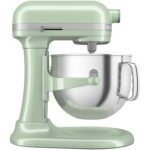 KitchenAid 7 Quart Bowl-Lift Stand MixerBest Overall |
8.4 |
9.5/10 |
9.5/10 |
$649.95checked Sep 15, 2026 |
| 8.2 |
9.0/10 |
7.5/10 |
$499.99checked Sep 15, 2026 | |
| 7.4 |
6.5/10 |
7.5/10 |
$288.37checked Sep 15, 2026 | |
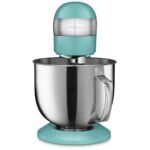 Cuisinart Precision Master 5.5-Quart Stand MixerAlso Consider |
7.1 |
6.0/10 |
8.0/10 |
$329.26checked Sep 15, 2026 |
Sorted by score. Prices come from each seller's site on the date shown and change often.
Brand claim vs independent measurement
| Product | What the brand claims | Independent figure | Source |
|---|---|---|---|
| KitchenAid Artisan Series 5 Quart Tilt-Head Stand MixerTime to stiff peaks, 1 cup heavy cream | not published | 1 minute 50 seconds (TechGearLab) | TechGearLab |
| Cuisinart Precision Master 5.5-Quart Stand MixerTime to stiff peaks, 1 cup heavy cream | not published | 2.67 minutes (TechGearLab) | TechGearLab |
We do not run these tests ourselves. Independent figures are quoted from the source named in each row.
If you knead bread dough more than once a week, the KitchenAid 7 Quart Bowl-Lift Stand Mixer is the pick to buy. KitchenAid says its bowl-lift design puts twice the power into the bowl compared with its own tilt-head mixers above speed 2, and the 7-quart bowl and 11-speed range give it room to grow into sourdough and pizza dough batches. For most home bakers who mostly make cookies, cakes and weeknight dinners, the smaller KitchenAid Artisan Series 5 Quart Tilt-Head Stand Mixer covers the same core tasks for about $150 less and takes up less counter space.
If price is the deciding factor, the Cuisinart Precision Master 5.5-Quart Stand Mixer and the Hamilton Beach Professional All-Metal Stand Mixer both sell for under $320 and still come with a metal gear housing and a dough hook, flat beater and wire whip in the box. Every price, spec and lab figure below comes from published brand pages, retailer listings and named third-party measurements, not from a product we mixed dough in ourselves. See how we score for the full method.
How We Picked
We weighted five criteria: motor power and dough handling (30%), bowl capacity (20%), attachments and ecosystem (20%), build and warranty (10%), and 3-year cost (20%). Weights and criteria are fixed before scoring and the final number is recomputed by our system, not typed in by hand.
We read the current product and price pages on kitchenaid.com, cuisinart.com and hamiltonbeach.com, cross-checked listed prices against Walmart’s live marketplace listings, and pulled the measurements TechGearLab published from its own stand mixer testing, which ran whipping and bread-kneading trials on each machine and scored them out of 100. We also queried the U.S. Consumer Product Safety Commission’s recall database for stand mixers before any product was shortlisted.
What to Look For
- Bowl-lift for dough, tilt-head for everything else. A bowl-lift mixer locks the bowl to two arms for stability under heavy bread dough. A tilt-head model is lighter and easier to load for batter and frosting. If you knead more than 2 loaves of bread a week, choose bowl-lift.
- At least 10 mixing speeds. Fewer than 10 speeds makes it harder to fold delicate ingredients like whipped egg whites without overbeating. Look for a dedicated low or half speed for folding.
- 5 quarts minimum for a standard loaf recipe. A 5-quart bowl handles a 2-loaf batch of sandwich bread dough. If you regularly bake more than 3 dozen cookies or 2 loaves in one batch, move up to 5.5 to 7 quarts.
- Die-cast metal housing, not plastic. A metal body and metal drive train resist motor strain under stiff dough better than a plastic-bodied mixer, and they hold their attachment alignment over years of use.
- Check what the attachment hub actually fits. KitchenAid’s hub accepts more than 10 third-party attachments, including pasta rollers and meat grinders. Confirm a brand’s own attachment lineup before buying into an ecosystem.
- Warranty length varies more than price does. Hamilton Beach backs its all-metal mixer with a 5-year limited warranty. Compare the warranty term on the exact model page before you buy, since it can differ by finish or bundle.
FAQ
What is the difference between a tilt-head and a bowl-lift stand mixer?
A tilt-head mixer has a fixed base and a head that tilts back so you can swap the bowl and attachments, while a bowl-lift mixer has a broad base with a bowl that is raised and lowered on two arms. KitchenAid describes its bowl-lift design as adding stability and up to twice the power in the bowl above speed 2 compared with its tilt-head mixers, which is why bowl-lift models tend to handle stiff bread dough and larger batches better.
How many watts does a stand mixer need for bread dough?
Published motor wattage is not consistent across brands. Cuisinart lists a 500-watt motor on its Precision Master 5.5-Quart Stand Mixer and Hamilton Beach lists 450 watts on its Professional All-Metal Stand Mixer, but KitchenAid does not publish a wattage figure for its Artisan or bowl-lift lines. Independent kneading tests are a more reliable way to judge dough performance than the watt number alone. TechGearLab clocked the KitchenAid Artisan at 7 minutes to pass a windowpane test on stiff sandwich bread dough, versus 13 minutes for the Cuisinart Precision Master.
Is a 5-quart bowl big enough for a normal bread recipe?
Yes, a 5-quart bowl is KitchenAid’s own standard size for its best-selling Artisan mixer and comfortably holds a 2-loaf batch of sandwich bread dough. If you regularly bake larger batches, cook for a crowd, or want headroom for a stand mixer meat grinder or pasta attachment while the bowl is still loaded, a 5.5 to 7-quart bowl gives more working room.
Do stand mixer attachments work across brands?
No. Stand mixer attachment hubs are brand-specific and, in most cases, model-line specific. KitchenAid’s attachment hub is compatible with more than 10 official attachments across its tilt-head and bowl-lift lines, but a KitchenAid attachment will not fit a Cuisinart or Hamilton Beach mixer’s power hub. Confirm attachment compatibility on the exact model page before buying an attachment separately.
How long should a stand mixer last?
Warranty length is the clearest published signal a brand gives about expected lifespan, and it varies by model. Hamilton Beach backs its Professional All-Metal Stand Mixer with a 5-year limited warranty. Brands that do not publish a specific warranty term on the model page should prompt you to check before buying, since coverage can differ between a base model and a bundled or special-edition finish of the same mixer.
Best Overall: KitchenAid 7 Quart Bowl-Lift Stand Mixer
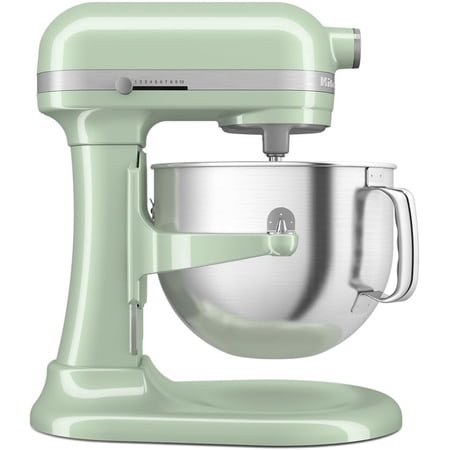
KitchenAid 7 Quart Bowl-Lift Stand Mixer
We don't earn anything from this link.
What we like
- +Largest bowl of the 4 mixers here at 7 quarts
- +11 speeds including a dedicated folding speed
- +Compatible with KitchenAid's full attachment lineup
What we don't
- −Highest price of the 4 mixers here
- −Bowl-lift base takes up more counter depth than a tilt-head design
Skip it if
You bake in small batches or have limited counter space, where the smaller Artisan tilt-head mixer fits better.
The Practical Math · 3 years
| Mixer price | $649.95 |
| Total | $649.95 |
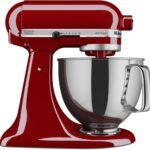
Also Great: KitchenAid Artisan Series 5 Quart Tilt-Head Stand Mixer
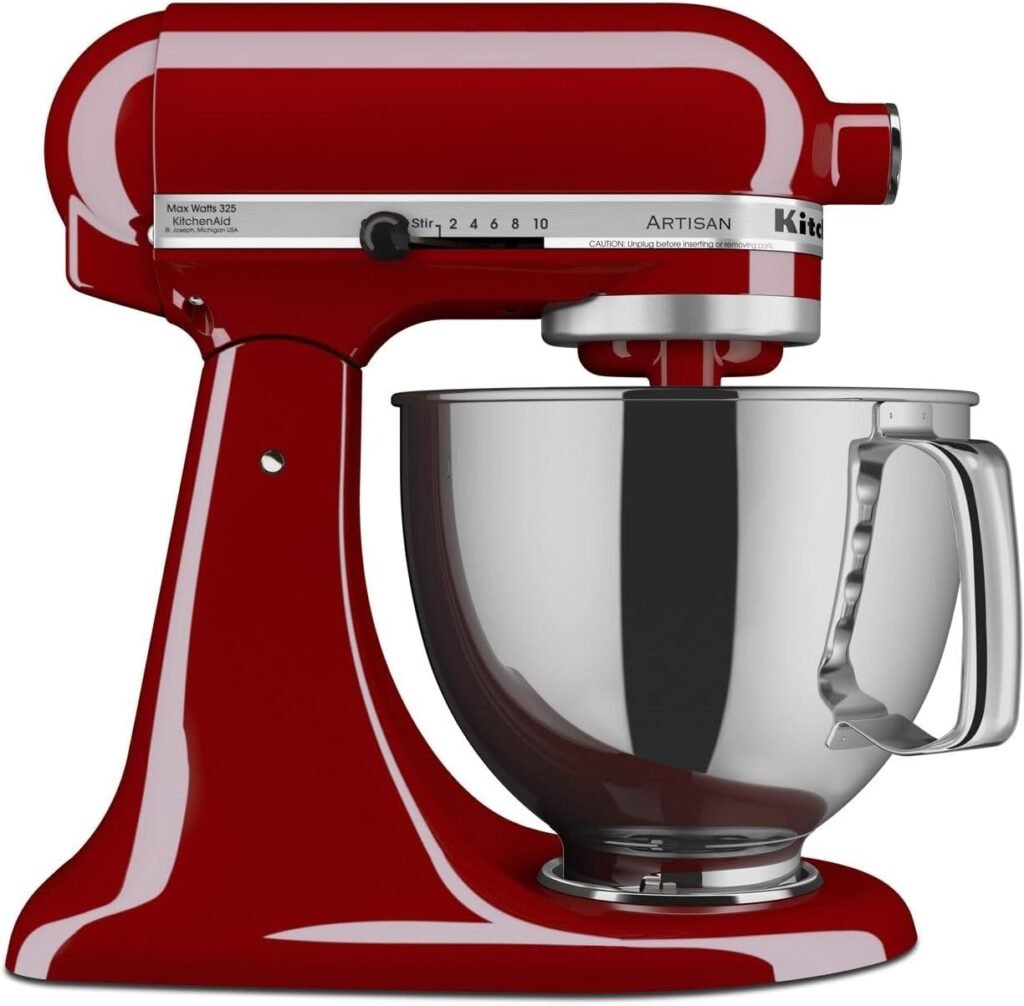
KitchenAid Artisan Series 5 Quart Tilt-Head Stand Mixer
We don't earn anything from this link.
What we like
- +Highest overall score of any mixer TechGearLab has tested in this category
- +Fastest kneading time in TechGearLab's bread dough test among the mixers we compared
- +Wide attachment ecosystem shared with KitchenAid's other stand mixers
What we don't
- −Smaller 5-quart bowl than the bowl-lift model
- −KitchenAid does not publish a motor wattage figure for this model
Skip it if
You need more than 5 quarts of capacity for large or frequent bread batches, where the bowl-lift model handles more volume.
The Practical Math · 3 years
| Mixer price | $499.99 |
| Total | $499.99 |
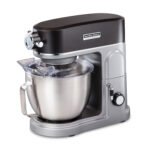
Best Value: Hamilton Beach Professional All-Metal Stand Mixer
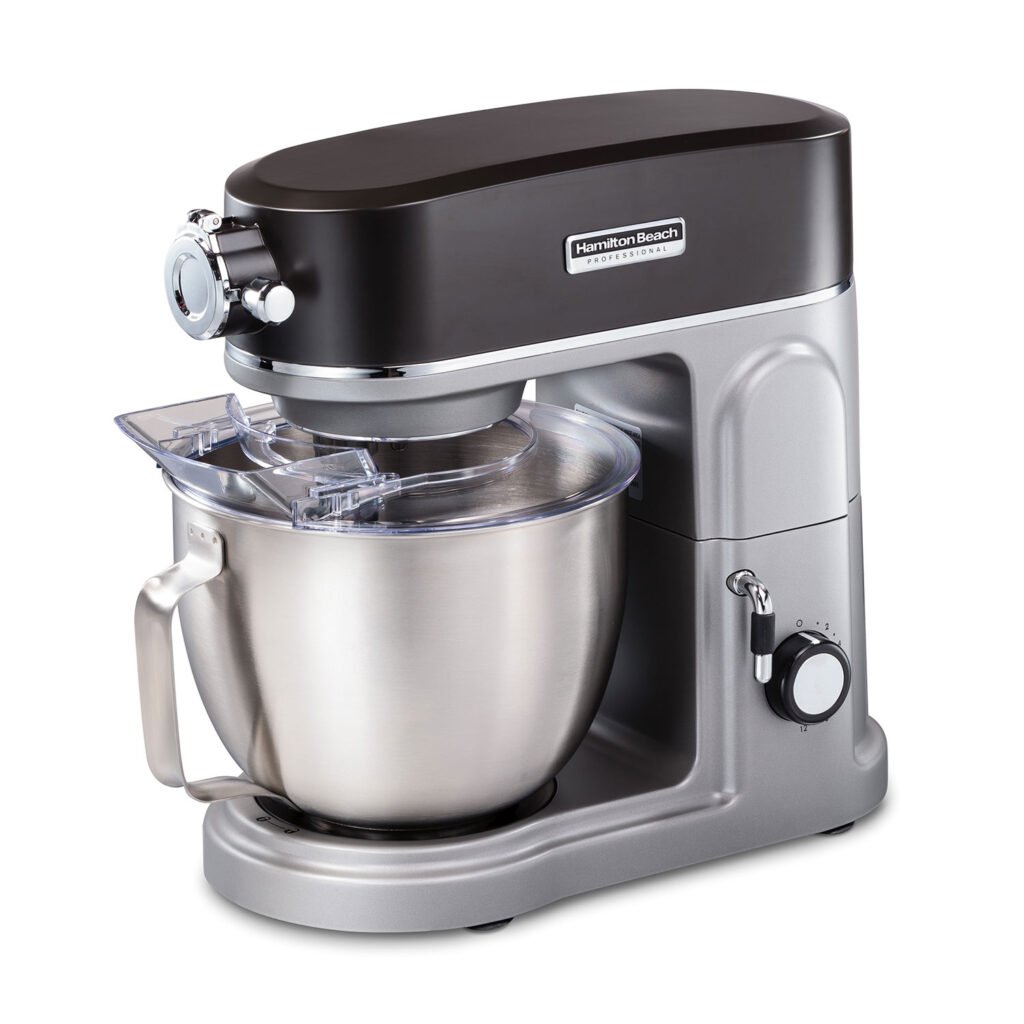
Hamilton Beach Professional All-Metal Stand Mixer
We don't earn anything from this link.
What we like
- +Lowest price of the 4 mixers here
- +Longest published warranty at 5 years, versus KitchenAid and Cuisinart, which do not publish a warranty term on their model pages
- +All-metal gear construction at a budget price
What we don't
- −Not included in TechGearLab's published lab testing, so no independent kneading or whipping time is available
- −Smallest, least mature attachment lineup of the 4 mixers here
Skip it if
You want independently measured kneading and whipping performance data before buying, which is only published for the KitchenAid Artisan and Cuisinart Precision Master among these picks.
The Practical Math · 3 years
| Mixer price | $279.99 |
| Electricity, assumed 6 minutes/day average use over 3 years at $0.17/kWh | $8.38 |
| Total | $288.37 |
Also Consider: Cuisinart Precision Master 5.5-Quart Stand Mixer
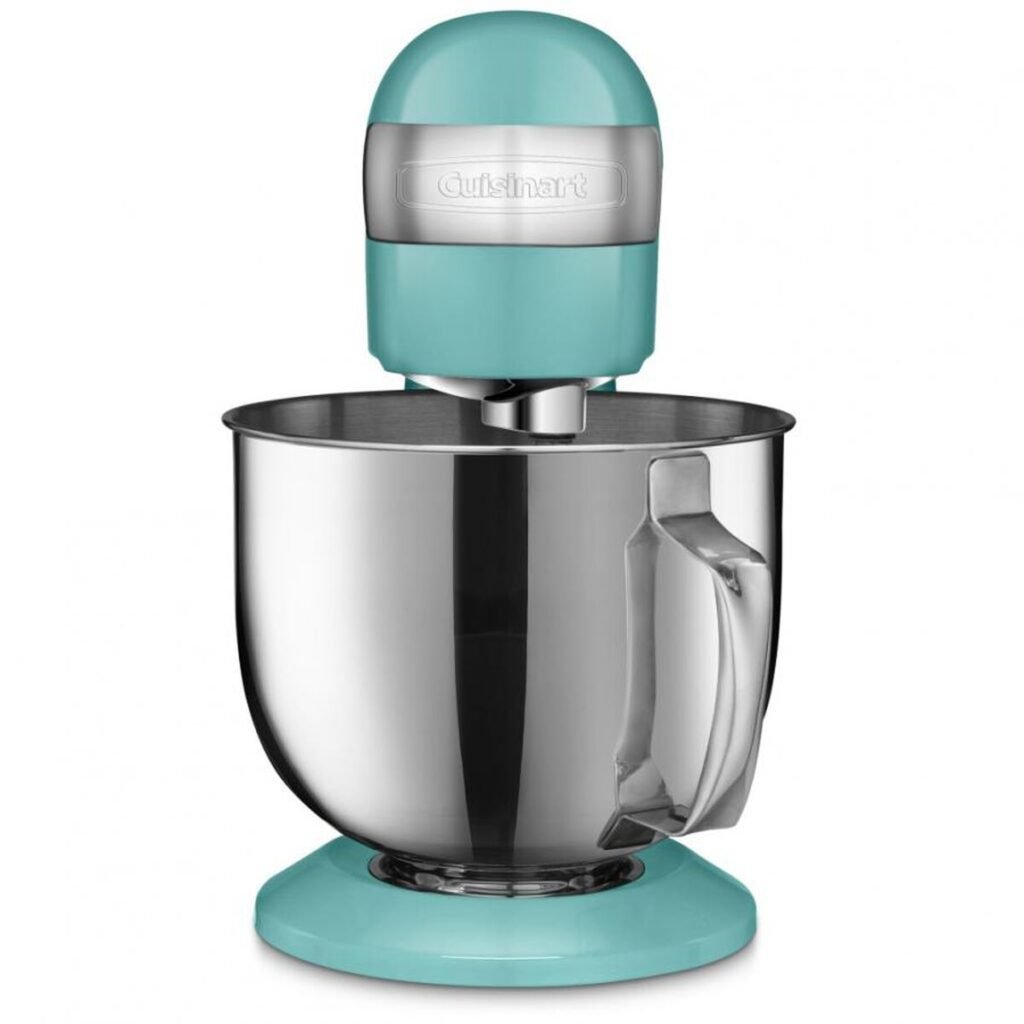
Cuisinart Precision Master 5.5-Quart Stand Mixer
We don't earn anything from this link.
What we like
- +Highest published motor wattage of the 4 mixers here at 500 watts
- +12 speeds for finer control than the 10-speed KitchenAid Artisan
- +Lower price than both KitchenAid models
What we don't
- −Slowest kneading time TechGearLab measured among the mixers with published lab data, at 13 minutes versus 7 for the KitchenAid Artisan
- −Speed dial needed more force to turn in TechGearLab's side-by-side test
- −Smaller attachment lineup than KitchenAid's ecosystem
Skip it if
Fast, consistent bread dough kneading matters more to you than price, based on TechGearLab's measured kneading times.
The Practical Math · 3 years
| Mixer price | $319.95 |
| Electricity, assumed 6 minutes/day average use over 3 years at $0.17/kWh | $9.31 |
| Total | $329.26 |
What owners report
4.6 of 5 from 2,438 ratings on Walmart product listing (Cuisinart Precision Master) read Sep 16, 2026
Ratings shown on a seller's own page can leave out reviews the seller removed. We read the most recent reviews ourselves and summarize what repeats.
The specs that matter, in plain English
- Tilt-head mixer
- A stand mixer with a fixed base and a motor head that tilts back on a hinge, giving open access to the bowl for adding ingredients or swapping attachments.
- Bowl-lift mixer
- A stand mixer with a broad base where the bowl locks onto two arms that raise and lower with a lever, giving more stability for heavy or dense mixtures.
- Windowpane test
- A way to check if bread dough is kneaded enough: a small piece is stretched thin enough to let light through without tearing.
- Planetary mixing action
- A mixing motion where the beater spins on its own axis while also orbiting around the bowl, so it reaches nearly every point in the bowl during mixing.
- NSF certification
- A certification from NSF International confirming a food-contact appliance meets public health and sanitation standards; mainly seen on commercial-grade mixers, not most residential models.
What changed
- Sep 16, 2026 First published, prices checked on this date.
- Sep 16, 2026 Removed two quotes from the owner section that came from a professional reviewer, not from owners.
Sources we read
- KitchenAid Stand Mixers: Tilt Head (listing and prices) read Sep 16, 2026
- KitchenAid Stand Mixers: Bowl Lift (listing) read Sep 16, 2026
- KitchenAid 7 Quart Bowl-Lift Stand Mixer product page read Sep 16, 2026
- Cuisinart Precision Master 5.5-Quart Stand Mixer product page read Sep 16, 2026
- Hamilton Beach Professional All-Metal Stand Mixer product page read Sep 16, 2026
- Walmart listing: Cuisinart Precision Master 5.5-Quart Stand Mixer read Sep 16, 2026
- Walmart listing: KitchenAid 7 Quart Bowl-Lift Stand Mixer read Sep 16, 2026
- TechGearLab review: KitchenAid Artisan Stand Mixer read Sep 16, 2026
- TechGearLab: Best Stand Mixers of 2026 (comparison data) read Sep 16, 2026
- CPSC SaferProducts.gov recall database query: stand mixers read Sep 16, 2026
- Amazon listing: KitchenAid Artisan 5-Qt Tilt Head Stand Mixer read Sep 16, 2026
We research products from published specs, certification databases, independent lab reports and owner reviews. We do not test products in our own lab. How we score.